When it comes to enhancing your flexibility, you might find yourself wondering whether yoga or Pilates is the better choice. This question is more common than you think.
Each practice offers unique benefits, but which one truly helps you stretch and strengthen your body effectively? Picture yourself effortlessly reaching for the top shelf or bending down without a second thought. Sounds appealing, right? By the end of this article, you’ll have a clear understanding of which discipline aligns with your flexibility goals.
So, if you’re eager to unlock your body’s potential and move with ease, keep reading to discover the insights that could transform your everyday life.

Credit: www.bloomsbury.com
Flexibility In Yoga
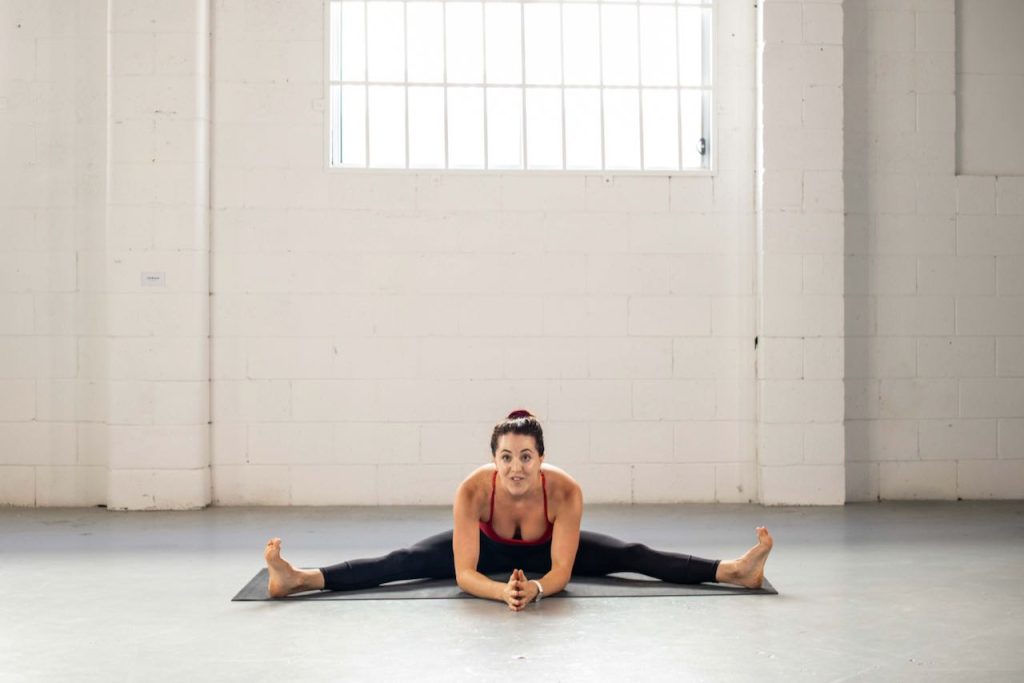
Yoga is known for enhancing flexibility. It helps in loosening tight muscles. Regular practice leads to noticeable changes in body movement. Yoga connects the body and mind. This creates a balanced environment for flexibility. The poses work on different muscle groups. These stretches increase the range of motion. Yoga also improves posture. This aids in better flexibility and balance.
Key Poses For Flexibility
Certain yoga poses specifically target flexibility. The Downward Dog is a classic. It stretches the back, hamstrings, and calves. The Cobra Pose focuses on the spine and chest. The Forward Bend stretches the back and legs. Each pose should be held for a few breaths. This allows the muscles to relax and stretch further. Consistent practice of these poses improves flexibility over time.
Breathing Techniques
Breathing is a core part of yoga. It plays a role in enhancing flexibility. Deep, steady breaths help muscles relax. This makes them more receptive to stretching. The Ujjayi breath is a common technique. It involves breathing deeply through the nose. This creates a calming effect on the body. It allows muscles to stretch gently and safely.
Progressive Muscle Stretching
Progressive muscle stretching is effective in yoga. It involves gradually stretching muscles to their limits. This is done without causing pain. Start with a mild stretch. Hold it for a few breaths. Gradually increase the stretch as the muscle relaxes. This technique prevents injury. It ensures muscles adapt slowly to the increased stretch. Over time, this leads to improved flexibility.
Flexibility In Pilates
Flexibility is an essential aspect of physical fitness that can enhance your overall health and wellbeing. Pilates, a popular exercise method, is particularly effective in improving flexibility through its unique approach. Unlike other workouts, Pilates emphasizes controlled movements and core strength, often involving equipment-based exercises. This makes it a versatile option for those looking to enhance their flexibility and strength simultaneously.
Core Strength And Flexibility
In Pilates, the core is the powerhouse of your body. Strengthening your core not only stabilizes your spine but also supports fluid, flexible movements. When you engage your core, your body can move more freely and efficiently. This strength also helps in preventing injuries and maintaining balance. Have you ever noticed how athletes seem to glide effortlessly? That’s often due to a strong core.
Controlled Movements
Pilates emphasizes precision and control in every movement. This focus on controlled movements helps in stretching and elongating muscles effectively. You learn to move with intention, which can enhance your flexibility over time. Think of it as a dance where each step is deliberate, ensuring that your muscles are stretched to their fullest potential. Can you imagine how this approach could change your everyday movements?
Equipment-based Stretching
Pilates often uses equipment like reformers and resistance bands to assist in stretching. These tools help you achieve deeper stretches and more dynamic movements. Equipment-based stretching allows for a wider range of motion, which can be crucial for flexibility. It’s like having a personal trainer guiding your muscles to stretch further. Have you tried using a reformer to deepen your stretches?
Each Pilates session is an opportunity to enhance flexibility in ways you might not have anticipated. It’s not just about bending; it’s about the strength that supports each stretch. Next time you roll out a mat, ask yourself how your core and controlled movements are contributing to your flexibility journey.
Comparing Yoga And Pilates
Yoga and Pilates offer distinct approaches to improving flexibility. Each has unique benefits. Both practices cater to different needs and preferences. Understanding their differences can help you choose the right path.
Overall Benefits
Yoga enhances flexibility through a wide range of poses. It improves strength and balance. Pilates focuses more on core strength and alignment. It offers flexibility benefits but emphasizes muscle control. Both practices aid in stress relief and mental clarity. They promote physical and mental well-being.
Suitability For Beginners
Yoga classes often accommodate beginners. They offer gentle poses and modifications. This makes it accessible to all fitness levels. Pilates may require more equipment. It can be challenging for beginners without guidance. Studio classes often provide support for new learners. Both practices offer beginner-friendly options.
Mind-body Connection
Yoga integrates breathwork and meditation. It fosters a deep mind-body connection. This enhances self-awareness and mindfulness. Pilates focuses on precise movements and concentration. It improves body awareness but less on spiritual aspects. Both encourage mental focus and physical harmony.
Choosing The Right Practice
Both yoga and Pilates offer great benefits for flexibility. Yet, each practice has its unique approach. Understanding these differences helps in selecting the one that suits you best.
Consider your personal goals and physical needs. These factors guide you in making an informed choice. You may even find that combining both practices is beneficial.
Personal Goals
Yoga focuses on mind-body connection and spiritual growth. It promotes relaxation and stress relief. Yoga builds flexibility gradually through various poses.
Pilates emphasizes core strength and muscle control. It targets specific areas for improved flexibility. Pilates is ideal for those seeking a structured workout.
Physical Limitations
Yoga offers modifications for different skill levels. It is gentle on joints and suitable for beginners. Those with injuries may find yoga’s pace helpful.
Pilates also provides adjustments for physical limitations. It strengthens without causing stress on muscles. Pilates supports rehabilitation and physical therapy.
Combining Both Practices
Many choose to combine yoga and Pilates for balanced benefits. This approach enhances flexibility, strength, and mindfulness. It offers variety, keeping the routine interesting.
Combining practices allows for a holistic fitness journey. It caters to the body’s changing needs and preferences. Explore both to see what feels right for you.
Scientific Insights
Exploring the benefits of yoga and Pilates reveals their potential to enhance flexibility. Yoga’s stretches improve muscle elasticity, while Pilates focuses on core strength and balance, aiding flexibility. Both practices offer unique advantages for a flexible body, depending on individual needs.
Scientific Insights If you’re wondering whether yoga or Pilates is better for flexibility, scientific insights offer fascinating revelations. Both practices have unique benefits, but how do they measure up when it comes to enhancing flexibility? Let’s dive into the research and findings to help you make an informed decision.
Research On Flexibility
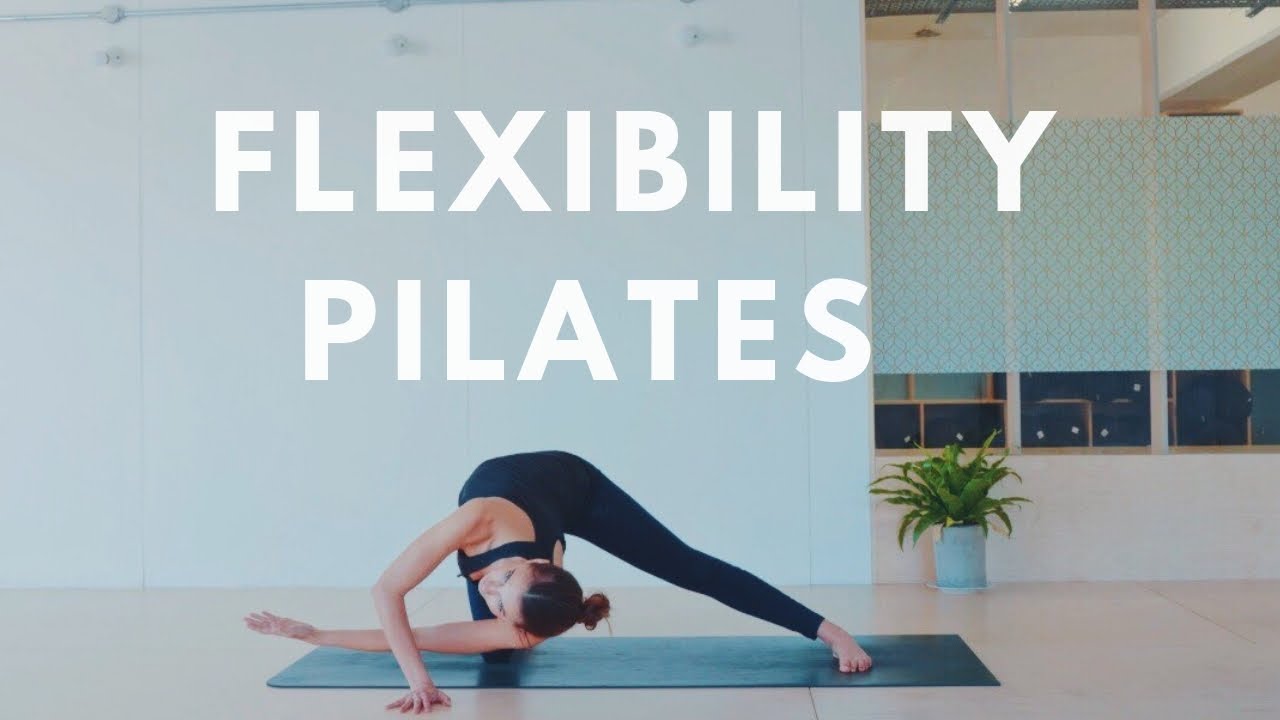
Scientific studies show that both yoga and Pilates improve flexibility, but they do so in different ways. Yoga often involves holding poses for longer durations, which stretches and elongates muscles over time. This can significantly enhance your range of motion. Pilates, on the other hand, focuses on controlled movements and core strength, which indirectly boosts flexibility by promoting better muscle control and alignment. A study found that participants practicing Pilates experienced increased hamstring flexibility in just a few weeks.
Health Impacts
Improved flexibility from yoga or Pilates can lead to numerous health benefits. Increased flexibility helps in reducing muscle soreness and decreasing the risk of injuries. This is particularly beneficial if you engage in other physical activities or lead a sedentary lifestyle. Yoga’s emphasis on breathing and meditation also promotes mental well-being, reducing stress and enhancing focus. Pilates complements this by improving posture and core strength, which can alleviate back pain and enhance your overall physical health.
Long-term Benefits
Consistent practice of yoga or Pilates offers long-term benefits that go beyond just flexibility. Over time, you may notice improved balance, coordination, and physical endurance. Yoga practitioners often report a heightened sense of mindfulness and body awareness. Pilates enthusiasts often enjoy enhanced muscular balance and a stronger core, which supports daily activities with ease. The question is, which practice resonates more with you and fits into your lifestyle? Both yoga and Pilates offer unique paths to improved flexibility and health, but your choice should align with your personal goals and preferences. Which one will you choose to enhance your flexibility journey?
Credit: www.youtube.com
Credit: www.nowherebookshop.com
Frequently Asked Questions
Should I Do Yoga Or Pilates For Flexibility?
Both yoga and Pilates enhance flexibility. Yoga focuses on deep stretching and relaxation. Pilates strengthens muscles while improving mobility. Choose based on personal preference and goals. Both methods complement each other well.
Does Pilates Improve Flexibility?
Yes, Pilates improves flexibility. It focuses on stretching and strengthening muscles. Regular practice enhances joint range of motion. Pilates exercises target tight areas, promoting better flexibility. It helps in reducing muscle stiffness. Consistent sessions lead to noticeable flexibility gains.
What Type Of Exercise Is Best For Flexibility?
Yoga and Pilates are excellent exercises to improve flexibility. These activities stretch muscles and enhance joint mobility. Regular practice ensures optimal results. Incorporate dynamic stretches in your routine to maintain flexibility and prevent injuries. Always warm up before starting to maximize benefits.
Does Jennifer Aniston Do Yoga Or Pilates?
Jennifer Aniston practices both yoga and Pilates regularly. She combines these workouts for strength, flexibility, and relaxation. Her fitness routine helps maintain her toned physique and enhances overall wellness. Yoga offers her mental clarity, while Pilates focuses on core strength.
This balanced approach contributes to her healthy lifestyle and youthful appearance.
Conclusion
Yoga and Pilates both enhance flexibility. Each offers unique benefits. Yoga focuses on stretching and breathing. It helps relax the mind and body. Pilates strengthens the core. It improves posture and balance. Both practices reduce stress. They also boost overall well-being.
Choosing between them depends on personal goals. Want more calm? Try yoga. Need core strength? Opt for Pilates. Both can be combined for greater flexibility. Listen to your body. Choose what feels best for you. Enjoy the journey to a more flexible you.
