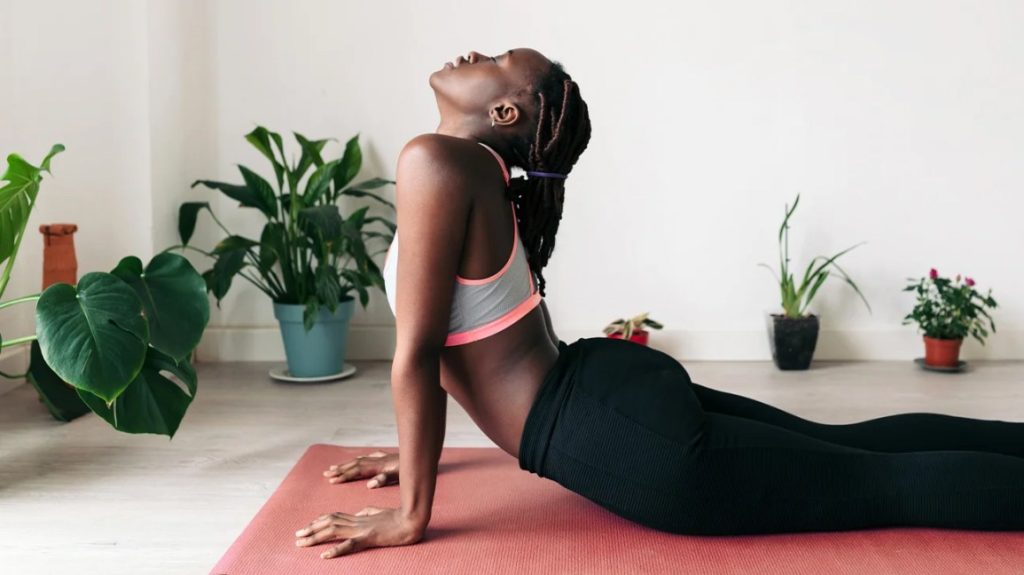
Imagine effortlessly moving into your favorite yoga poses with grace and ease. Improved flexibility can transform your yoga practice, making each session more enjoyable and effective.
If you’ve ever felt stuck or struggled with stiffness, you’re not alone. Many people face the same challenges, but the good news is that flexibility isn’t a fixed trait. You can enhance it with the right techniques and mindset. This guide will reveal simple, proven strategies to help you become more flexible and feel more at ease during yoga.
By the time you finish reading, you’ll have a clear roadmap to elevate your practice and enhance your body’s capabilities. Ready to unlock your potential and experience yoga like never before? Let’s dive in!
Benefits Of Flexibility In Yoga
Flexibility is crucial in yoga. It enhances your practice and well-being. Improved flexibility allows deeper poses. It reduces injury risks. Your body becomes more adaptable. It responds better to different movements.
Enhances Physical Performance
Flexibility boosts physical performance in yoga. It allows smoother transitions between poses. Your body moves with ease. This ease increases your stamina. You hold poses longer. Each session feels more rewarding.
Reduces Muscle Tension
Flexible muscles are less prone to tension. Yoga stretches them gently. Tension decreases over time. You feel relaxed. This relaxation spreads throughout your day. Your stress levels drop significantly.
Improves Posture
Good flexibility aligns your body better. It corrects posture issues. Your spine stays straight. Shoulders align naturally. You walk taller. Confidence increases with better posture.
Increases Range Of Motion
Flexibility increases your range of motion. Joints move freely. Movement feels unrestricted. You explore new poses comfortably. This exploration adds variety to your practice. It keeps yoga exciting.
Boosts Mental Clarity
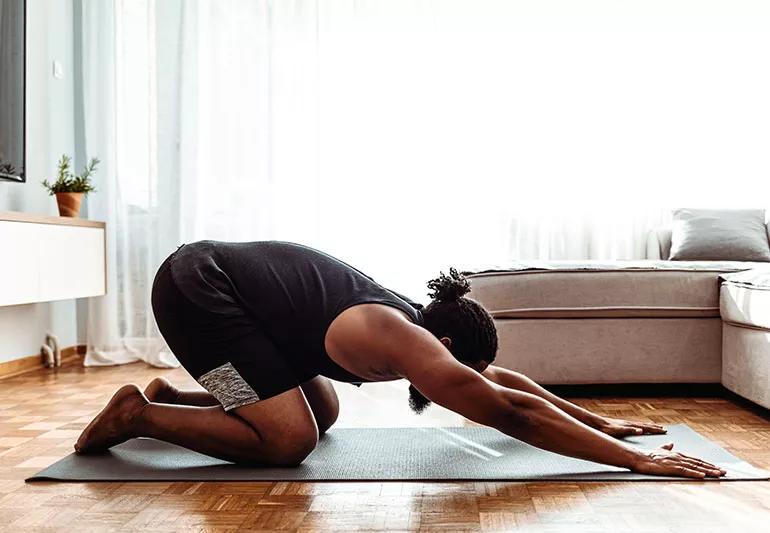
Flexibility supports mental clarity. Yoga combines body and mind. Stretching releases physical and mental tension. Your focus sharpens. Thoughts become clearer. You gain a sense of peace.
Credit: health.clevelandclinic.org
Assessing Your Current Flexibility
Evaluating your current flexibility aids in tailoring yoga exercises to suit your needs. Simple stretches reveal areas needing improvement. Regular practice ensures gradual progress in flexibility, enhancing your yoga experience.
Embarking on a yoga journey is both exciting and challenging. Before diving into intricate poses, it’s essential to understand where you currently stand in terms of flexibility. This knowledge helps you craft a personalized path towards improvement, ensuring safe and steady progress. Recognizing your starting point is crucial for setting realistic goals and tracking your achievements.
Understanding Your Baseline
Assessing your flexibility begins with observing how your body moves in everyday life. Try simple stretches at home, such as touching your toes or doing a gentle backbend. Take note of any tightness or discomfort. This will help you identify specific areas that need attention. When I first started yoga, I realized my hamstrings were particularly tight, which motivated me to focus on them in my practice.
Document Your Flexibility
Keeping a record of your current flexibility can be incredibly motivating. Use your phone to take pictures or videos of your stretches and yoga poses. This visual record will allow you to see your progress over time. It’s an empowering feeling to look back and see how much more flexible you’ve become.
Listen To Your Body
Your body speaks volumes. Pay attention to any sensations during your stretches. Are there any areas that feel more restricted than others? This insight will guide your practice and help prevent injuries. Remember, yoga is a personal journey, and your body’s signals are your best guide.
Set Realistic Goals
Once you have a clear understanding of your current flexibility, set achievable goals. Break them down into smaller, manageable steps. If touching your toes feels impossible now, aim to reach your shins first. Celebrate every small victory. Progress in yoga is not always linear, and that’s perfectly okay.
Seek Professional Guidance
Sometimes, a fresh pair of eyes can make all the difference. Consider consulting a yoga instructor to assess your flexibility. They can offer personalized advice and modifications to suit your needs. I found that a few sessions with a professional drastically improved my form and confidence. Assessing your current flexibility is a valuable step in your yoga journey. It sets the foundation for a practice that is both fulfilling and safe. What surprising discoveries have you made about your flexibility?
Warm-up Techniques
Yoga requires flexibility to perform poses comfortably. Warm-up techniques are crucial for enhancing flexibility. They prepare your muscles and joints for movement. A good warm-up reduces the risk of injuries. It also improves your range of motion. Let’s explore effective warm-up techniques for yoga.
Dynamic Stretching
Dynamic stretching involves moving parts of your body. It warms up muscles and increases blood flow. Start with simple movements like arm circles. Swing your arms gently forward and backward. Leg swings are also effective. Stand and swing one leg forward and back. This helps loosen your hips. Dynamic stretches mimic movements in yoga poses. They prepare your body for deeper stretches.
Breathing Exercises
Breathing is essential in yoga practice. It helps relax your mind and muscles. Begin with deep, slow breaths. Inhale through your nose, filling your lungs. Exhale slowly through your mouth. This calms your nervous system. Try belly breathing to enhance relaxation. Place a hand on your belly. Inhale deeply, feeling your belly rise. Exhale, letting your belly fall. Breathing exercises improve oxygen flow. They make your body more flexible.

Credit: www.healthline.com
Key Yoga Poses For Flexibility
Yoga poses like the Forward Bend, Cobra, and Butterfly enhance flexibility. Each stretch targets different muscle groups. Regular practice helps improve range of motion and reduces stiffness.
Improving your flexibility for yoga is not just about mastering advanced poses. It’s about the journey of connecting with your body. The right yoga poses can significantly enhance your flexibility, making your practice more enjoyable and effective. By focusing on specific poses, you can target areas that need more attention and achieve better overall flexibility.
Forward Bends
Forward bends are a fantastic way to stretch the hamstrings and lower back. These poses can be both invigorating and soothing. Consider adding Standing Forward Bend (Uttanasana) to your routine. By hinging at the hips and letting your upper body hang, you can gently stretch your spine and legs. If you’re struggling with tightness, start with a slight bend in your knees. This makes the pose more accessible and allows you to deepen the stretch gradually. Practicing forward bends regularly can help alleviate stiffness and improve your range of motion.
Hip Openers
Are your hips feeling tight or restricted? Hip openers can be your best friends. Pigeon Pose (Eka Pada Rajakapotasana) is a powerful stretch that targets the hip flexors and glutes. By leaning forward into the pose, you can feel a deep release in your hips. Another effective pose is Butterfly Pose (Baddha Konasana). Sitting with the soles of your feet together and gently pressing your knees towards the ground can help open your inner thighs. Regular practice can enhance your hip flexibility, making many other yoga poses more accessible.
Twists
Twists are crucial for maintaining a flexible spine. They not only improve flexibility but also aid digestion and detoxification. Seated Twist (Ardha Matsyendrasana) is a great way to stretch the back and shoulders. By gently twisting from the base of your spine, you can increase your spinal flexibility over time. Reclined Twist (Supta Matsyendrasana) is another excellent option. Lying on your back and twisting your legs to one side allows your spine to release tension. Remember to breathe deeply in each twist, as your breath helps to deepen the stretch and keep your practice safe. Are there any poses you find particularly challenging? Consider focusing on those areas to see the most improvement in your flexibility. Practicing these key poses regularly can transform your yoga practice and enhance your overall well-being.
Incorporating Props
Enhancing your flexibility for yoga often requires more than just stretching on your mat. Sometimes, the right props can make all the difference. They not only support your body but also deepen your practice by allowing you to hold poses longer and achieve correct alignment. Have you ever considered how a simple block or strap could elevate your yoga journey?
Using Blocks
Blocks are a versatile tool in yoga. They come in handy, especially when you need an extra hand—literally. Place a block under your hand during a pose like Triangle to reach the floor with ease.
Blocks can also help you maintain balance. During a pose like Half Moon, try placing a block under your supporting hand. Feel the stability it provides, allowing you to focus on your breath rather than your balance.
Blocks are not just for beginners. Even experienced yogis use them to challenge their flexibility. Consider using two blocks to lift your feet off the ground in a seated forward bend. Notice how it intensifies the stretch.
Straps And Their Benefits
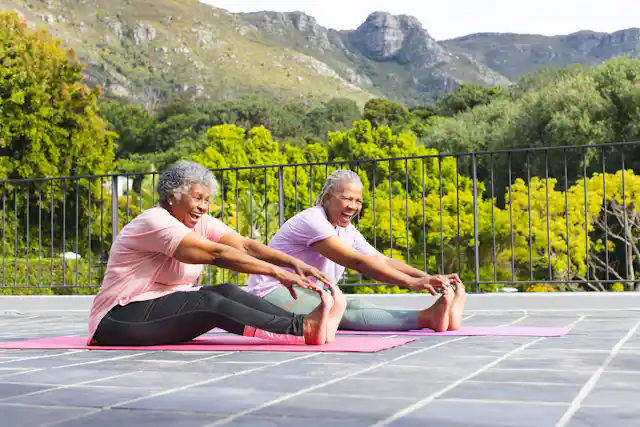
Straps are another essential prop. They act as an extension of your arms, making poses more accessible. If you struggle with reaching your feet in a seated forward bend, a strap can bridge that gap.
They also aid in maintaining proper alignment. In poses like Dancer, a strap can help you keep your shoulders aligned while reaching for your foot. This not only enhances flexibility but also prevents injuries.
Using straps can reveal areas that need attention. When you loop a strap around your foot in a pose, notice which muscles feel tighter. This awareness can guide your practice, helping you focus on areas that need more flexibility.
Have you tried using props in your yoga practice? Give them a chance, and you might find your flexibility improving faster than expected. Embrace the support they provide, and watch as you grow more confident in your poses.
Consistency And Progression
Improving flexibility for yoga requires dedication and steady progress. Consistency helps you see results and builds confidence. Regular practice ensures your body adapts, becoming more flexible over time. Progression keeps your yoga journey interesting. It adds new challenges and helps you grow. Both consistency and progression are essential in achieving your flexibility goals.
Setting Realistic Goals
Start by setting achievable flexibility goals. Focus on small improvements rather than big leaps. This keeps motivation high and reduces frustration. Identify specific poses you want to improve. Set a timeline for each goal, allowing enough time for progress. Regularly revisit your goals to ensure they remain relevant and attainable.
Tracking Progress
Record your progress to understand your growth. Keep a journal detailing your experiences with each pose. Write down challenges faced and how you overcame them. This helps identify patterns and areas needing more focus. Celebrate small victories to boost your confidence. Use photos or videos to see physical changes in your practice. Tracking progress keeps you motivated and focused.
Expert Tips For Enhancing Flexibility
Yoga is not just about striking a pose; it’s about embracing flexibility. Enhancing flexibility is vital for a fulfilling yoga practice. Expert tips can guide you to achieve better flexibility. This section dives into mindfulness, meditation, nutrition, and hydration.
Mindfulness And Meditation
Mindfulness helps you connect with your body. Focus on breathing during yoga. This calms the mind and relaxes muscles. Meditation enhances self-awareness. It allows you to notice tension in the body. Regular meditation reduces stress. Stress often hinders flexibility. Practicing mindfulness and meditation daily boosts flexibility.
Nutrition And Hydration
Good nutrition fuels your body. Nutrients aid muscle repair and growth. Protein is essential. It supports muscle health. Vitamins and minerals also play a role. They keep your muscles strong and flexible. Staying hydrated is crucial. Water lubricates joints. It ensures muscles are flexible and less prone to injury. Drink water regularly. Avoid dehydration, which can stiffen muscles. Eating a balanced diet and drinking enough water enhances flexibility.
Common Mistakes To Avoid
Improving flexibility for yoga involves more than stretching. Many people make simple mistakes that hinder progress. Being aware of these mistakes can enhance your practice. This section will cover common pitfalls to avoid. This ensures safer and more effective yoga sessions.
Overstretching Risks
Many assume pushing limits speeds up flexibility. This can lead to injuries. Overstretching strains muscles and ligaments. It causes pain and discomfort. Gentle progress is safer and more sustainable. Listen to your body. Respect its limits. This prevents long-term damage.
Ignoring Body Signals
Your body communicates through signals. These can include pain or discomfort. Ignoring these signs can result in injury. Pain is a warning, not a challenge. Modify poses if you feel discomfort. Rest if needed. This approach nurtures your body and supports progress.
Credit: theconversation.com
Frequently Asked Questions
How To Become More Flexible At Yoga?
Practice regularly to improve flexibility in yoga. Focus on dynamic stretches and deep breathing. Warm up before sessions and hold poses longer. Stay consistent and patient for gradual progress.
How Long Does It Take To Improve Flexibility In Yoga?
Improving flexibility in yoga can take a few weeks to several months. Regular practice speeds up progress. Consistency is key for noticeable results. Each person’s flexibility journey varies based on their body and dedication. Patience and persistence help enhance flexibility over time.
Why Is My Flexibility Not Improving With Yoga?
Focus on proper alignment and breathing during yoga. Consistent practice, patience, and warm-up exercises can boost flexibility. Avoid comparing progress to others; everyone is unique. Ensure you’re practicing poses correctly and consider consulting a yoga instructor for personalized guidance. Remember, flexibility improves gradually over time with dedication.
Can An Inflexible Person Do Yoga?
Yes, even inflexible people can practice yoga. Yoga improves flexibility gradually and offers various poses for all levels. Beginners can start with simple stretches and progress over time. Consistent practice helps increase range of motion, enhance balance, and build strength.
Yoga supports overall well-being regardless of initial flexibility.
Conclusion
Improving flexibility for yoga takes time and patience. Practice daily to see progress. Focus on consistent stretches and breathing exercises. Listen to your body and avoid pushing too hard. Small changes each day make a big difference over time. Remember, flexibility varies for everyone.
Celebrate your unique journey and achievements. With dedication, your yoga practice will become more enjoyable. Stay motivated and keep moving forward. Flexibility enhances your overall well-being. Enjoy the process and embrace your growth.
