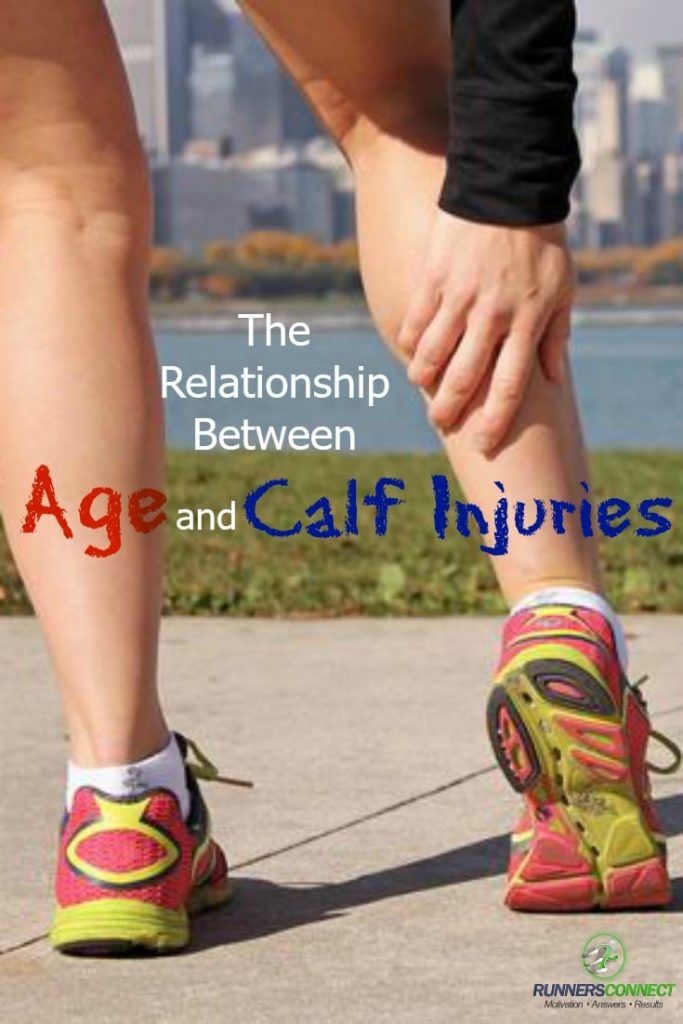
Running is a fantastic way to keep fit, boost your mood, and enjoy the great outdoors. However, nothing puts a damper on your running progress like a nagging calf injury.
If you’ve ever experienced that sharp, searing pain in your calf while hitting the pavement, you know how frustrating it can be. But what if you could prevent these injuries before they even start? Imagine running with confidence, free from the fear of setbacks.
By learning how to protect your calves, you can enhance your performance and enjoy every run. Dive into this guide to discover simple and effective strategies to keep your calves injury-free and ensure that your running routine is as smooth as possible. Your path to pain-free running starts here.
Causes Of Calf Injuries
Muscle overuse and poor warm-up routines often lead to calf injuries in runners. Stretching properly and strengthening calf muscles can reduce the risk.
Running is a fantastic way to stay fit and release stress, but calf injuries can put a damper on your routine. Understanding the causes of calf injuries is crucial for prevention. Let’s dive into the common risk factors and types of calf strains that you should be aware of to keep your runs injury-free.
Common Risk Factors
Several risk factors can increase the likelihood of calf injuries. Overuse is a primary concern; pushing yourself too hard too soon can strain your muscles. Sudden increases in running intensity or mileage can also lead to problems. Inadequate warm-up routines are another common issue. Skipping or shortening your warm-up can leave your muscles tight and more prone to injury. Consider adding dynamic stretches to prepare your calves for the demands of running. Running form plays a significant role as well. Poor biomechanics, such as incorrect foot placement or an uneven gait, can stress your calves unnecessarily. Assessing and adjusting your running technique might be beneficial in preventing injuries.
Types Of Calf Strains
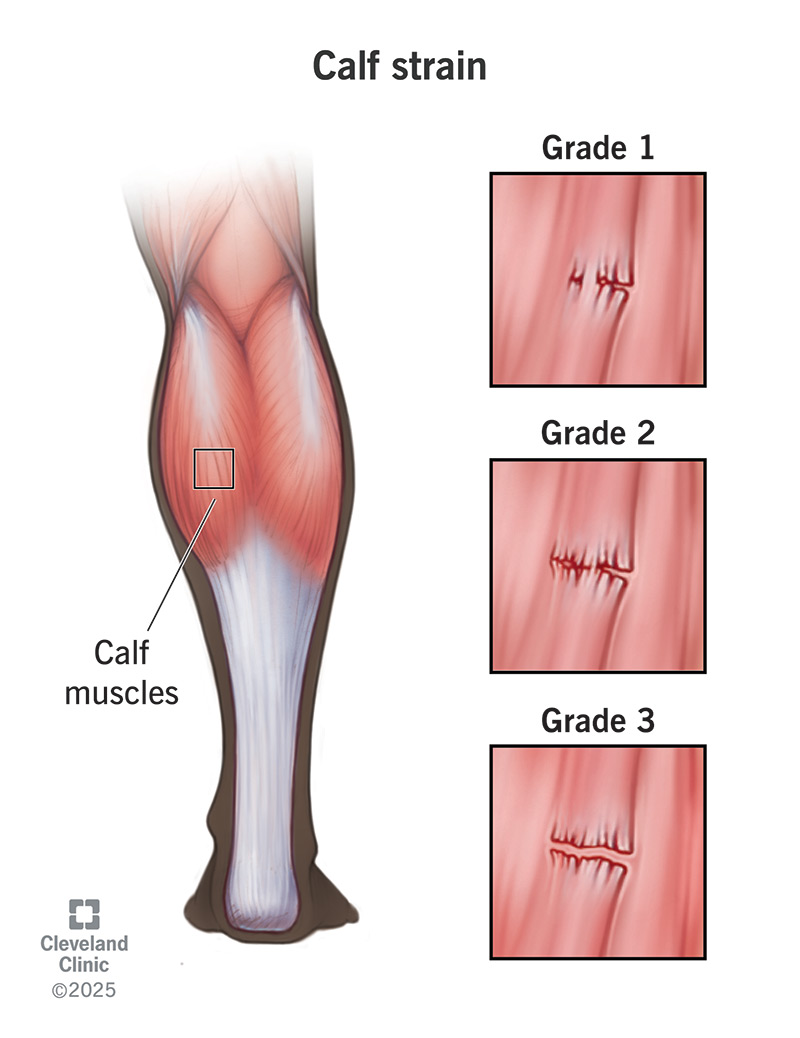
Calf strains can vary in severity and understanding the types can help you identify and manage them. A Grade 1 strain is mild, involving minimal muscle fibers and causing slight discomfort. You might feel a bit of tightness but can usually continue your run with care. A Grade 2 strain is more serious, involving a larger number of fibers. This level of strain can cause moderate pain and may limit your ability to run. Rest and proper care are essential for recovery. The most severe is a Grade 3 strain, where the muscle is completely torn. This type of injury requires significant recovery time and possibly medical intervention. Recognizing the signs early and knowing when to seek professional help can make all the difference. By being aware of these causes, you can take proactive steps to prevent calf injuries. What changes can you make to your routine to safeguard your calves and enjoy a pain-free running experience?
Proper Warm-up Techniques
Warm-up properly to prevent calf injuries when running. Incorporate dynamic stretches like leg swings to increase blood flow. Gradually increase intensity with short jogs to prepare muscles for action.
Proper warm-up techniques are crucial for preventing calf injuries while running. A well-structured warm-up can prepare your muscles, improve performance, and reduce the risk of strains. Let’s dive into some effective methods to get your calves ready for action.
Dynamic Stretching
Dynamic stretching involves active movements that take your muscles and joints through a full range of motion. Unlike static stretching, it keeps your body moving, increasing blood flow and muscle temperature. Try exercises like leg swings, high knees, and walking lunges. These movements mimic the activity of running and prepare your calves specifically. Integrating these stretches into your warm-up routine can make a significant difference. You might notice improved flexibility and a lower chance of injury.
Gradual Intensity Build-up
Sudden bursts of high-intensity running can strain your calves. Instead, start with a light jog or brisk walk to ease your muscles into the workout. Gradually increase your pace and intensity over a few minutes. This approach helps your muscles adjust and reduces shock to your calves. Think about your last run where you felt tightness right from the start. Avoid this by allowing your body the time to adapt. Are you giving your calves the warm-up they deserve? Making these simple changes can lead to a more enjoyable and injury-free running experience.
Strengthening Exercises
Strengthening exercises are key to preventing calf injuries while running. Focus on calf raises, lunges, and toe taps to build muscle endurance. Incorporating these into your routine enhances flexibility and supports safe running practices.
Strengthening Exercises Building strong calves can prevent injuries while running. They support your legs and absorb impact. Regular strengthening exercises can boost calf endurance and stability. Let’s explore some effective exercises.
Calf Raises
Calf raises are simple yet powerful. Stand on a step with your heels hanging off. Slowly rise on your toes, then lower back down. Repeat this movement for 10-15 reps. This exercise targets the gastrocnemius muscle. It improves flexibility and strength in the calves.
Resistance Band Workouts
Resistance bands offer versatile training. Use them to enhance calf strength. Sit with the band around your foot. Pull the band towards you, stretching your calf. Hold for a few seconds, then release. This workout aids muscle growth and increases elasticity. Regular practice can lead to better running performance.

Credit: www.kinetic-revolution.com
Running Form Optimization
Proper running form helps prevent calf injuries by distributing pressure evenly. Focus on landing softly with mid-foot strikes. Maintain a relaxed posture to reduce strain on your calves.
Running form optimization is essential to prevent calf injuries. Small changes can make a big difference. Focus on how your body moves. It helps to enhance performance and reduce injury risks.
Foot Strike Patterns
Your foot strike impacts your calves. Landing on your heels can increase stress. Try a midfoot or forefoot strike. It spreads the impact more evenly. This reduces strain on your calf muscles.
Posture And Alignment
Good posture reduces calf strain. Keep your head up and shoulders relaxed. Align your hips with your knees and feet. This ensures balanced movement. Your spine should be straight, not hunched. Proper alignment helps prevent injuries.
Footwear Selection
Choosing the right running shoes can help prevent calf injuries. Opt for shoes with proper arch support and cushioning. Consider your foot type and running style when selecting footwear to ensure safety and comfort.
Footwear Selection When it comes to preventing calf injuries while running, the right footwear can make all the difference. Your shoes are not just an accessory; they are your first line of defense against the strains and stresses of the trail or pavement. Imagine running a marathon in shoes that feel like clouds, instead of bricks. It’s not just about style, but about ensuring your feet are supported and cushioned, safeguarding your calves from unnecessary tension.
Choosing The Right Shoes
Selecting the perfect running shoes is crucial for injury prevention. Consider your foot type: are you a pronator or a supinator? These factors influence the kind of support your shoes should provide. Visit a specialized running store where experts can analyze your gait. They often use technology to assess how your foot strikes the ground. Opt for shoes that offer stability if you tend to overpronate, or choose a neutral pair if your stride is well-balanced. Don’t overlook the fit; a snug shoe can prevent movement that causes blisters and irritation. Always try on shoes with the socks you intend to run in.
Importance Of Cushioning
Cushioning is more than just comfort; it’s about absorbing shock. Think of cushioning as a buffer between your feet and the hard surface you’re pounding. The right amount of cushioning can significantly reduce the impact on your calves, minimizing the risk of strains or tears. Experiment with different levels of cushioning. Some runners prefer maximum cushioning for long distances, while others opt for less to feel the ground. Consider brands known for their innovative cushioning technologies. They might just have the perfect solution for your running needs. Ask yourself: Are your current shoes providing enough cushioning to protect your calves? If not, it might be time for a change.
Credit: www.physio-network.com
Recovery Strategies
Strengthen calf muscles with regular exercises to prevent injuries while running. Incorporate warm-ups and stretches before each session. Gradually increase running intensity to avoid strain.
When you’re dealing with a calf injury, recovery strategies can be your best friend in returning to the trails. These strategies not only help heal the injury but also prevent future setbacks. By focusing on specific recovery techniques, you can improve your running performance and keep your calves healthy.
Rest And Rehabilitation
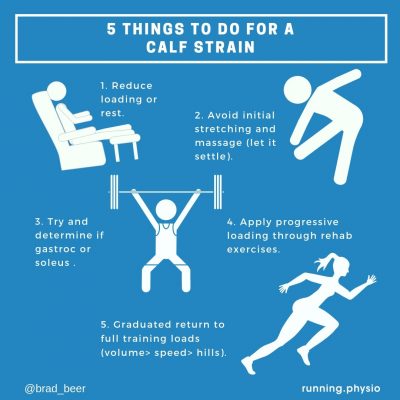
Prioritizing rest is crucial for your calf muscles to heal effectively. Avoid strenuous activities that might worsen the injury. Engage in rehabilitation exercises to gradually strengthen your calves. Simple stretches and low-impact exercises can aid recovery without putting excessive strain on your muscles. Listen to your body. If you feel pain during exercises, it’s a sign to slow down and give yourself more time to recover.
Massage And Foam Rolling
Regular massage can enhance blood flow and promote healing in your calves. A professional massage therapist can target specific areas that need attention. Foam rolling is an excellent self-care tool. Roll your calf muscles gently to release tension and improve flexibility. Incorporate foam rolling into your routine to keep your muscles relaxed and prevent tightness. Are you aware of the benefits of combining both massage and foam rolling? This duo can significantly accelerate your recovery and maintain muscle health long-term.
Hydration And Nutrition
Proper hydration and nutrition are crucial for preventing calf injuries while running. They ensure muscles stay strong and recover well after workouts. Hydration keeps the body’s systems functioning and helps to avoid cramps or strains. Nutritious foods provide the building blocks for muscle repair and strength.
Importance Of Electrolytes
Electrolytes are vital for muscle function. They maintain fluid balance, nerve function, and muscle contraction. Sodium, potassium, and magnesium are key electrolytes. During runs, the body loses electrolytes through sweat. Replenishing them prevents muscle cramps and maintains performance.
Sports drinks or electrolyte tablets can help. Coconut water is a natural option. Read labels to ensure adequate sodium and potassium content. Always hydrate before, during, and after runs.
Balanced Diet For Muscle Health
A balanced diet supports muscle health and recovery. Protein aids in muscle repair. Include lean meats, beans, and dairy in meals. Carbohydrates provide energy. Whole grains, fruits, and vegetables are excellent sources.
Healthy fats are important too. Avocados, nuts, and olive oil support overall health. Vitamins and minerals boost muscle function. Include a variety of colorful vegetables and fruits for nutrient diversity.
Monitoring And Listening To Your Body
Listening to your body is key to preventing calf injuries while running. Pay attention to discomfort or tightness. Rest when needed and stay hydrated to maintain healthy muscles.
Monitoring and listening to your body is key to preventing calf injuries. Understanding your body’s signals can help you stay injury-free. Pay attention to any discomfort or pain in your calves. This awareness can guide your training decisions effectively.
Recognizing Early Signs
Recognize early signs of calf strain. Notice any unusual tightness or soreness. These signs might indicate overuse. Listen to your body’s warnings. Rest if you feel persistent pain. Ignoring these signs can lead to serious injuries.
Adjusting Training Plans
Adjust your training plans based on your body’s feedback. Decrease intensity if you experience calf discomfort. Incorporate rest days to allow recovery. Balance your running routine with strength training. This approach minimizes the risk of calf injuries. Consistent monitoring helps you maintain a healthy running regimen.
Credit: my.clevelandclinic.org
Frequently Asked Questions
How Do I Get My Calves To Stop Hurting While Running?
Stretch your calves before and after runs. Gradually increase your running intensity. Wear supportive footwear. Stay hydrated to prevent muscle cramps. Consider cross-training to strengthen leg muscles.
Do Calf Sleeves Prevent Calf Strains?
Calf sleeves can help reduce the risk of calf strains by providing support and improving blood circulation. They aid in muscle recovery and warmth, which might prevent injuries. However, they are not a guaranteed solution. Proper stretching and exercise are essential for preventing strains effectively.
How Do I Strengthen My Calves To Avoid Strains?
Strengthen calves by doing calf raises, jump rope, and seated calf exercises. Stretch regularly to maintain flexibility. Increase exercise intensity gradually to prevent strains. Wear supportive footwear during activities. Stay hydrated for optimal muscle function.
What Is The Most Common Calf Injury For Runners?
The most common calf injury for runners is a calf strain. It occurs when calf muscles are overstretched or torn. This injury often results from sudden acceleration or overuse. Symptoms include pain, swelling, and difficulty walking. Rest and proper stretching can aid recovery.
Conclusion
Preventing calf injuries while running is crucial for your health. Focus on regular stretching and strengthening exercises. These habits support muscle flexibility and durability. Listen to your body. Stop running if you feel pain. Rest and consult a specialist for persistent issues.
Wear proper footwear to reduce strain. Gradually increase your running distance. This helps your body adjust safely. Stay hydrated and maintain a balanced diet. Both contribute to muscle health. Consistency and care lead to injury-free running. Prioritize safety to enjoy your runs.
Follow these tips to keep your calves strong and healthy.
