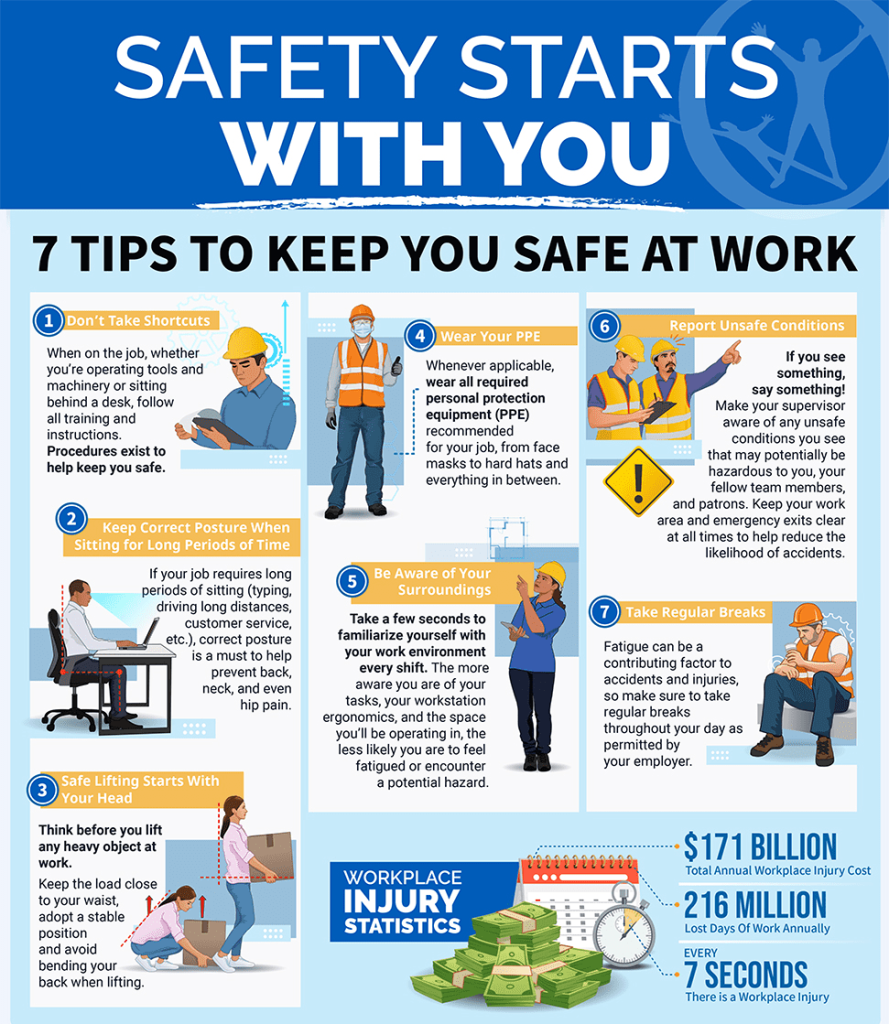
Picture this: you’re starting your workday, feeling energetic and ready to tackle the tasks ahead. But what if something as simple as a misplaced step or an overlooked hazard could sideline you for weeks or even months?
Workplace injuries are more common than you might think, and they can have a significant impact on your life, both personally and professionally. The good news is that many of these injuries are preventable. By taking proactive steps, you can create a safer work environment for yourself and your colleagues.
In this guide, you’ll discover practical tips and strategies that will help you stay injury-free, ensuring your safety and peace of mind while you work. Don’t leave your well-being to chance; read on to find out how you can protect yourself from workplace injuries.
Common Workplace Hazards
Workplace safety is crucial for every employee. Understanding common workplace hazards helps prevent injuries. These hazards vary across industries but often share similarities. Being aware of them can keep employees safe and healthy.
Physical Hazards
Physical hazards are present in many workplaces. They include slipping on wet floors, tripping over cords, or falling from heights. Machinery and equipment pose risks too. Employees should wear protective gear and follow safety protocols. Regular inspections reduce these risks significantly.
Chemical Hazards
Chemical hazards exist in various industries, from manufacturing to cleaning. They include exposure to gases, fumes, and liquids. Proper labeling and storage of chemicals are vital. Employees must use personal protective equipment (PPE). Training on handling chemicals can prevent accidents.
Ergonomic Hazards
Ergonomic hazards affect those in repetitive or awkward positions. They lead to musculoskeletal disorders. Office workers may experience issues from poor desk setups. Adjusting chairs and desks can improve posture. Taking regular breaks also helps reduce strain.

Credit: arrowheadtribal.com
Importance Of Safety Training
Effective safety training reduces workplace injuries by teaching employees to identify hazards and follow protocols. It empowers workers to act safely and responsibly, minimizing risks and promoting a secure environment.
Safety training is vital for preventing workplace injuries. It equips employees with essential skills and knowledge. Understanding safety protocols can save lives and reduce accidents. Training fosters a culture of awareness and responsibility. Well-informed employees can identify hazards and act promptly. Investing in safety training boosts productivity and morale.
Employee Education
Employee education is the foundation of workplace safety. It involves teaching staff about potential risks and safe practices. Educated employees make informed decisions. They know how to handle equipment safely. Regular sessions ensure everyone understands safety procedures. Education empowers employees to protect themselves and others. It minimizes errors and enhances efficiency.
Regular Workshops
Regular workshops reinforce safety training. They offer practical demonstrations and hands-on experience. Workshops keep safety knowledge fresh. Employees learn about new tools and techniques. Interactive sessions engage and motivate participants. Workshops encourage teamwork and communication. They help employees apply safety measures effectively. Regular workshops ensure continuous learning and adaptation.
Implementing Safety Protocols
Implementing safety protocols is essential to prevent workplace injury. Regular training and clear guidelines ensure employee safety and reduce accidents.
Implementing safety protocols in the workplace is crucial for preventing injuries. Companies need clear guidelines and regular evaluations to ensure a safe environment. Safety measures protect employees and boost productivity. A safe workplace reduces absenteeism and improves employee morale.
Establish Clear Guidelines
Clear safety guidelines are essential for every workplace. Define specific rules for each task. Use simple language for easy understanding. Post guidelines visibly in common areas. Conduct training sessions regularly. Ensure all employees know emergency procedures. Encourage questions to clarify any doubts. Create a safety manual for reference. Update guidelines as needed to reflect changes.
Regular Safety Audits
Conduct regular safety audits to identify risks. Inspect equipment and workspaces thoroughly. Use checklists for consistency during inspections. Involve employees in the audit process. Encourage reporting of potential hazards. Analyze audit results to find patterns. Implement corrective actions promptly. Record findings for future reference. Schedule audits frequently to maintain safety standards.
Proper Use Of Equipment
The proper use of equipment is crucial in preventing workplace injuries. Using tools and machinery correctly not only ensures your safety but also enhances productivity. Familiarizing yourself with equipment guidelines can prevent accidents and keep your work environment secure.
Machine Operation Guidelines
Understanding machine operation guidelines is your first line of defense against workplace accidents. Always read the user manual before operating any equipment. They contain essential information on safe operation and maintenance.
Participate in training sessions organized by your employer. These sessions provide hands-on experience and clarify doubts about machinery use. Don’t hesitate to ask questions if something is unclear.
Maintain a checklist of safety protocols for each machine. This ensures that you follow all necessary steps every time you use the equipment. Regularly review and update your checklist as new guidelines are introduced.
Protective Gear Usage
Wearing the right protective gear is as important as knowing how to operate the equipment. Safety goggles, gloves, and helmets can drastically reduce the risk of injury. Identify the specific gear needed for each task to ensure full protection.
Imagine using a power saw without goggles—one slip, and you could be facing a serious eye injury. Make it a habit to wear your gear before you start your work. It might feel uncomfortable at first, but it’s a small price for safety.
Regularly inspect your protective gear for wear and tear. Damaged gear can be as dangerous as not wearing any at all. Replace worn-out equipment immediately to maintain a safe working environment.
Are you consistently using your protective gear? Reflect on your habits and make necessary adjustments. Your safety should always be the top priority.
Promoting Ergonomic Practices
Promoting ergonomic practices can help reduce workplace injuries. Adjust chairs and desks to support good posture. Ensure regular breaks and exercises for better health and comfort.
Promoting ergonomic practices in the workplace is crucial to prevent injuries and enhance productivity. Ergonomics is all about designing your workspace to fit you, not the other way around. Think about how often you sit at your desk and the subtle discomforts you might experience—these can add up over time. Incorporating ergonomic practices is not just about fancy chairs or desks. It’s about making small, consistent changes to how you work. Imagine adjusting your monitor height and suddenly feeling less strain on your neck. It’s these small tweaks that can make a big difference in your daily comfort.
Workstation Setup
An effective workstation setup can transform your work experience. Start with your desk—ensure it’s at a height where your elbows are at a comfortable angle. Your keyboard should be positioned directly in front of you to avoid twisting your wrists. Place your monitor at eye level. This simple adjustment can reduce neck and shoulder strain significantly. Don’t underestimate the power of a footrest; it can help maintain a good posture and ease lower back tension. Consider investing in an ergonomic chair. Look for one that supports your lower back and encourages a natural posture. If your chair has adjustable armrests, use them to keep your shoulders relaxed.
Correct Posture
Maintaining correct posture is more than just sitting up straight. It’s about aligning your body in a way that minimizes stress on your muscles and joints. Keep your feet flat on the ground and your knees at hip level. This position helps distribute your body weight evenly. Think about your back—avoid slouching. Use the backrest of your chair to support your spine. Occasionally, you might find yourself leaning forward; remind yourself to lean back and relax your shoulders. Take regular breaks to stretch. A quick stretch can rejuvenate your muscles and improve circulation. Is there a particular stretch you find most effective? Share it with your colleagues and create a culture of wellness in your workplace. Remember, ergonomics is a personal journey. Adjust your workstation and posture based on your unique needs. What small change can you make today to improve your comfort and prevent injury?

Credit: www.safetyandhealthmagazine.com
Encouraging A Safety Culture
Fostering a safety culture involves regular training and awareness to prevent workplace injuries. Encourage open communication and reporting of hazards. Implement clear safety procedures and provide proper equipment to ensure a secure environment for everyone.
Encouraging a Safety Culture Creating a safety culture in the workplace is not just about rules and regulations. It’s about fostering an environment where everyone feels responsible for their own and each other’s safety. When you encourage a safety culture, you empower employees to take proactive steps in preventing workplace injuries.
Open Communication
Effective communication is the cornerstone of a safety culture. Encourage open dialogue by making it easy for employees to voice concerns about potential hazards. Regular safety meetings can be a platform to discuss risks and share insights. Consider setting up anonymous suggestion boxes or digital forums where employees can express safety concerns without fear of repercussions. Have you ever noticed how a simple conversation can prevent a major mishap? Open lines of communication ensure that everyone is informed and vigilant.
Employee Participation
Engage employees in safety protocols by involving them in decision-making processes. When employees participate, they feel invested and take ownership of their safety responsibilities. Organize safety workshops where employees can learn and contribute ideas. Encourage them to volunteer for safety committees or lead training sessions. Imagine the difference when everyone works together as a team. Employee participation turns safety from a chore into a shared mission. Are you ready to make safety everyone’s priority?
Emergency Preparedness
Emergency preparedness can significantly reduce workplace injuries. Implement safety training and regular drills to keep employees alert. Ensure all safety equipment is accessible and maintained.
Emergency Preparedness is a crucial aspect of maintaining a safe workplace. You never know when an unexpected situation might arise. Being prepared can make all the difference in minimizing harm and chaos. Imagine you’re at work and suddenly there’s a fire alarm. Do you know what to do? Do your colleagues know where to go? These are questions that highlight the importance of having a solid emergency plan.
Evacuation Plans
A well-detailed evacuation plan is essential. It ensures everyone knows the fastest and safest way to exit the building. Regular drills can help reinforce these routes and make them second nature during an actual emergency. Have you ever been in a drill where someone didn’t know where to go? It can cause confusion and slow down the evacuation process. To avoid this, ensure evacuation routes are clearly marked and accessible. Keep paths free from obstacles and clutter.
First Aid Training
First aid training empowers employees to handle minor injuries and stabilize serious ones until professional help arrives. Picture a colleague suddenly collapsing; wouldn’t you want to be able to help? Training sessions can be engaging and informative, turning employees into first responders. Encourage participation by sharing real-life scenarios where quick action saved lives. Consider scheduling regular refresher courses to keep skills sharp. A workplace with trained individuals is a safer place for everyone.

Credit: www.facebook.com
Frequently Asked Questions
What Are The 5 E’s Of Injury Prevention?
The 5 E’s of injury prevention are education, engineering, enforcement, encouragement, and evaluation. Education raises awareness. Engineering designs safer environments. Enforcement upholds safety laws. Encouragement promotes healthy behaviors. Evaluation assesses effectiveness. These strategies work together to reduce injuries and improve public safety.
What Are The 5 Guidelines For Preventing Injury?
1. Warm up before exercising to prepare your muscles. 2. Use proper techniques and equipment during activities. 3. Listen to your body and rest when needed. 4. Maintain a balanced diet and stay hydrated. 5. Gradually increase the intensity of your workouts.
What Are The 3 Es Of Injury Prevention?
The 3 Es of injury prevention are Education, Engineering, and Enforcement. Education raises awareness and promotes safe practices. Engineering involves designing safer environments and equipment. Enforcement ensures adherence to safety regulations and laws. These strategies collectively help reduce the risk of injuries effectively.
How Could The Employee’s Injury Have Been Prevented?
Ensure proper safety training and equipment usage. Regularly inspect and maintain workplace tools. Implement clear guidelines for hazardous tasks. Encourage reporting of unsafe conditions. Promote a culture of safety awareness among employees.
Conclusion
Preventing workplace injuries is essential for safety. Regular training helps employees stay alert. Proper equipment use minimizes risks. Clear communication ensures everyone is informed. Regular breaks keep workers refreshed. A clean environment prevents accidents. Safety protocols must be followed. Encourage reporting hazards immediately.
Continuous improvement in safety measures reduces incidents. Everyone plays a part in workplace safety. Prioritizing safety protects workers and business. Awareness and proactive actions save lives. Implement these strategies today. Keep your workplace safe and productive. Safety is a shared responsibility.
Make it a priority.
