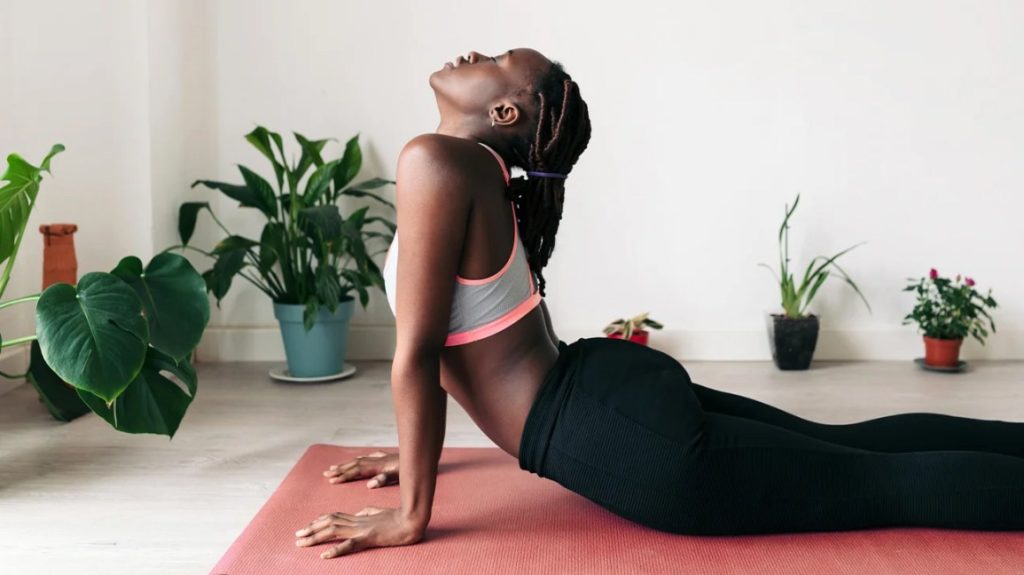
Have you ever felt stiff or inflexible? You’re not alone.
Whether you sit at a desk all day or simply want to move with more ease, improving your flexibility can make a world of difference. Imagine reaching for something on a high shelf without straining or bending down effortlessly to tie your shoes.
Sounds appealing, right? Yoga is your secret weapon to achieving this. It’s not just for the ultra-fit or super bendy; yoga is accessible to everyone and offers incredible benefits for your body and mind. You’ll discover some simple yet effective yoga poses that can enhance your flexibility and help you feel more limber in no time. Curious to find out which poses can transform your daily routine? Keep reading to unlock the secrets to a more flexible you!
Benefits Of Flexibility In Yoga
Practicing yoga enhances flexibility, improving overall well-being. Key poses include Downward Dog, Cobra Pose, and Triangle Pose. These poses stretch muscles, increase range of motion, and reduce stiffness, promoting better posture and balance. Regular practice can lead to noticeable flexibility improvements over time.
Flexibility is a cornerstone of yoga, offering numerous benefits that extend beyond the mat. It enhances your daily movements, making simple tasks easier and more fluid. With consistent practice, you’ll notice profound changes not only in your body but also in your overall well-being.
Improved Range Of Motion
Flexibility in yoga significantly boosts your range of motion. This means your joints can move more freely, allowing you to perform everyday activities without strain. Imagine reaching for a high shelf or bending down to tie your shoes without discomfort. Regular yoga practice stretches and lengthens muscles, which helps in reducing stiffness. This newfound ease can transform how you move through your daily life. Have you ever felt restricted in your movements? Increased flexibility can change that.
Injury Prevention
Preventing injuries is another crucial benefit of flexibility in yoga. Flexible muscles and joints are less prone to injury because they can absorb more stress. This is particularly beneficial if you engage in other physical activities. By maintaining a flexible body, you can handle unexpected movements and falls better. Your body becomes more resilient, reducing the risk of sprains and strains. Isn’t it comforting to know that you’re less likely to get hurt?
Enhanced Athletic Performance
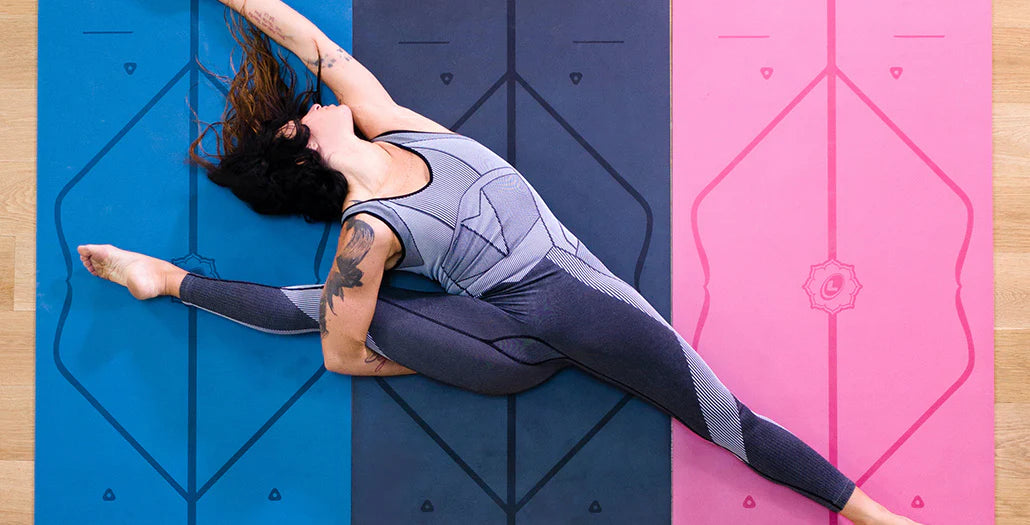
Athletes can greatly benefit from yoga-induced flexibility. Improved flexibility leads to better performance by increasing muscle control and coordination. This means you can run faster, jump higher, and perform more efficiently. Yoga helps in balancing the body, which is vital for athletes who require stability. It also aids in quicker recovery times, allowing you to train harder and more frequently. Have you considered how flexibility could take your athletic abilities to the next level? Incorporating yoga poses for flexibility into your routine can transform your physical capabilities. Whether you’re an athlete or someone looking to improve daily function, the benefits are vast and varied. How will you integrate these poses into your life to reap these rewards?
Credit: liforme.com
Warm-up Exercises
Warm-up exercises are essential for enhancing flexibility in yoga. They prepare your body for deeper stretches and reduce the risk of injury. Incorporating warm-up routines into your practice ensures muscles are ready for movement. Let’s explore some effective warm-up techniques.
Dynamic Stretching
Dynamic stretching involves active movements that stretch your muscles. It enhances flexibility by increasing blood flow to your tissues. Begin with gentle arm circles to loosen your shoulders. Gradually increase the size of the circles. Then, try leg swings to activate your hips and thighs. Swing your legs forward and backward. Keep movements controlled and steady.
Breathing Techniques
Proper breathing enhances your flexibility and focus during yoga. Start with deep belly breathing. Inhale slowly through your nose. Let your belly expand like a balloon. Exhale through your mouth, releasing tension. Repeat this breathing pattern several times. It calms your mind and body.
Another technique is the Ujjayi breath. Inhale deeply, keeping your mouth closed. Create a gentle whispering sound in your throat. Exhale slowly, maintaining the sound. This breath helps maintain energy and concentration.
Standing Poses For Flexibility
Yoga standing poses enhance flexibility by stretching muscles and improving balance. Tree pose strengthens legs and opens hips. Warrior pose increases endurance while stretching thighs and shoulders.
Standing poses are a fantastic way to boost your flexibility while improving your balance and strength. These poses engage various muscle groups, making them perfect for those looking to increase their range of motion. You might be surprised at how these simple movements can transform your yoga practice and daily life.
Warrior Series
The Warrior poses are dynamic and powerful, stretching your legs and core while challenging your balance. With Warrior I, you step into a lunge, stretching your arms overhead and opening your chest. Feel the energy flow as you hold the pose, deepening the stretch in your hips and thighs. Warrior II takes it further, with a wider stance and arms extended parallel to the ground. Focus on the stretch in your inner thighs and shoulders. It’s a great way to build strength and flexibility simultaneously. As you practice, notice how your stability improves, making everyday movements more fluid. Finally, Warrior III is a balance challenge, with one leg lifted behind and arms reaching forward. This pose stretches your back and legs while enhancing focus. It’s a reminder of how interconnected flexibility and balance are. Have you ever felt that moment of perfect balance? It’s an incredible feeling worth striving for.
Triangle Pose
Triangle Pose is a classic yoga posture that stretches your sides and opens your chest. Standing with feet apart, reach one hand to your ankle while extending the other arm skyward. This pose elongates your spine and stretches your hamstrings, offering a full-body experience. As you hold Triangle Pose, focus on the rotation of your torso. This twist enhances flexibility in your back and waist. It’s a beautiful pose that encourages you to breathe deeply and find peace in the stretch. Have you noticed how breathing can deepen a stretch? It’s a simple yet powerful tool. Triangle Pose not only improves flexibility but also opens your mind to the possibilities of movement. Each time you practice, you may find a bit more space and ease. How can your body surprise you with its adaptability? It’s worth exploring through consistent practice. These standing poses are more than just stretches; they are gateways to greater flexibility and awareness. Which pose will you try today to expand your flexibility horizons?
Seated Poses For Flexibility
Yoga enhances flexibility through seated poses. Butterfly pose opens hips, while seated forward bend stretches the hamstrings. Try cobbler’s pose for groin flexibility and child’s pose for gentle back stretch. Each pose targets specific muscles, promoting overall flexibility and relaxation.
Regular practice leads to improved body movement and posture.
Seated Poses for Flexibility Have you ever felt like your body is a bit too stiff, especially after a long day of sitting? You’re not alone. Seated yoga poses are a fantastic way to gently stretch your muscles and improve flexibility. They offer the perfect combination of relaxation and effective stretching, making them ideal for anyone looking to gain more mobility. Let’s dive into some specific seated poses that can help you reach your flexibility goals.
Seated Forward Bend
Imagine a pose that stretches your entire back, hamstrings, and even your calves. Seated Forward Bend, also known as Paschimottanasana, is exactly that. Sit with your legs extended straight out in front of you. Take a deep breath, then slowly lean forward, reaching your hands toward your feet. Feel the stretch along your spine and legs. If you can’t touch your toes, don’t worry. It’s not about reaching the destination immediately; it’s about the journey of improving your flexibility. With regular practice, you’ll notice your hands gradually getting closer to your toes. How far can you reach today?
Butterfly Pose
Butterfly Pose, or Baddha Konasana, is a seated pose that targets your inner thighs and groin area. Sit with your knees bent and your feet touching each other, like the wings of a butterfly. Hold your feet with your hands, and gently press your knees towards the ground. Feel the stretch in your hips and thighs as you breathe deeply. This pose encourages hip flexibility, which is crucial for reducing tightness from prolonged sitting. Can you feel the tension melting away? These seated poses are not just about flexibility; they are about finding balance between effort and ease. As you practice, notice how your body responds. Are you feeling more open and relaxed?
Backbend Poses
Backbend poses, like Cobra and Bridge, enhance flexibility and strength. They open up the chest and shoulders. Practicing these poses regularly can improve posture and ease tension in the back.
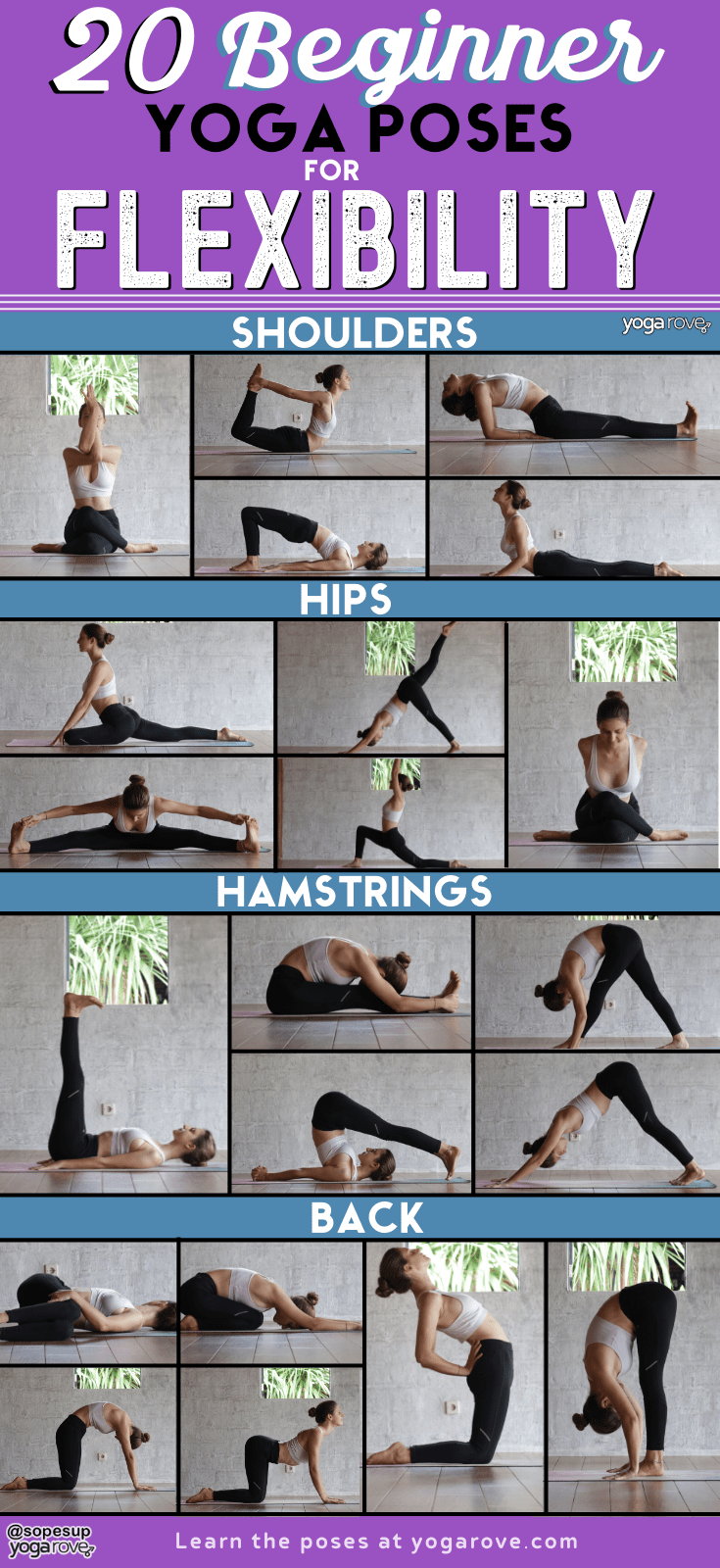
Backbend poses in yoga enhance flexibility and strength. They open the front body and stretch the spine, chest, and shoulders. Practicing these poses regularly can improve posture and relieve tension. Backbends are energizing and invigorating. They can boost confidence and elevate mood. Let’s explore two effective backbend poses: Bridge Pose and Camel Pose.
Bridge Pose
Bridge Pose is a gentle backbend that strengthens the back and legs. Begin by lying on your back with your knees bent. Keep your feet hip-width apart on the mat. Your arms should rest beside you. Press your feet into the ground and lift your hips upward. Engage your core and thighs to maintain balance. This pose stretches the chest and spine. It also opens the hips. Hold the pose for several breaths. Lower your hips slowly to release the pose. Bridge Pose can improve spine flexibility and relieve stress.
Camel Pose
Camel Pose is a deeper backbend that stretches the front of the body. Start by kneeling on the mat with your knees hip-width apart. Place your hands on your lower back for support. Inhale deeply and push your hips forward. As you exhale, arch your back and reach for your heels with your hands. Keep your chin lifted and gaze towards the ceiling. This pose opens the chest and shoulders. It enhances flexibility and improves posture. Breathe steadily and hold the pose for a few seconds. To release, bring your hands back to your lower back and gently rise. Camel Pose can invigorate the body and mind.
Credit: yogarove.com
Twist Poses
Twist poses in yoga help improve flexibility. They gently stretch the spine and back muscles. Regular practice enhances range of motion and reduces tension.
Yoga is a wonderful practice that can enhance your flexibility through various poses, particularly twist poses. These poses not only improve your range of motion but also offer benefits like detoxifying your organs and releasing tension in your spine. Whether you’re a seasoned yogi or a beginner, incorporating twist poses into your routine can lead to significant improvements in your flexibility and overall well-being. Let’s dive into a couple of essential twist poses that you can add to your practice.
Half Lord Of The Fishes
The Half Lord of the Fishes pose, or Ardha Matsyendrasana, is a fantastic twist that targets your spine, shoulders, and hips. As you sit on the mat, cross one leg over the other and anchor your elbow against the knee for leverage. Feel the gentle twist as you rotate your torso, focusing on elongating your spine with each breath. This pose is particularly beneficial for releasing tension in the back and improving digestion. Have you ever noticed that after sitting for hours, your back feels stiff? Practicing this pose regularly can help alleviate that stiffness, making you feel more relaxed and flexible.
Supine Spinal Twist
The Supine Spinal Twist is a gentle pose that you can enjoy at the end of your yoga session. Lying on your back, draw one knee towards your chest and slowly lower it across your body. Extend your opposite arm and gaze towards it to deepen the stretch. This pose is excellent for relieving stress and tension accumulated throughout the day. If you often find yourself feeling tight or tense before bed, spending a few moments in a Supine Spinal Twist can be soothing. Notice how your breathing deepens and your mind calms as your spine releases its tension. Twist poses are not just about flexibility; they can be a gateway to understanding your body’s needs. As you practice, pay attention to how your body responds. What changes do you notice over time? How does your flexibility improve with consistent practice? Embrace these poses with mindfulness and curiosity, and you’ll likely discover more than just enhanced flexibility.
Inversion Poses
Explore yoga poses like Downward Dog and Plow Pose for improved flexibility. Engage your core with Headstand to enhance balance. Practice these inversions regularly to increase flexibility and strength.
Inversion poses in yoga can be a thrilling experience for those looking to enhance their flexibility. These poses flip your perspective—literally—and offer numerous benefits. They can improve circulation, boost mental clarity, and stretch your body in unique ways. If you’re curious about trying inversion poses, here are two you might find intriguing: the Shoulder Stand and Plow Pose.
Shoulder Stand
The Shoulder Stand is a classic inversion pose that challenges both your balance and flexibility. As you lift your legs and torso upwards, you engage core muscles that help maintain stability. To perform a Shoulder Stand, lie on your back and slowly lift your legs to the sky, supporting your lower back with your hands. Keep your elbows close to your body to avoid strain. This position stretches your neck and spine, contributing to greater flexibility. A personal tip: when I first tried Shoulder Stand, I felt a rush of energy. It’s invigorating yet calming. Have you experienced a pose that left you feeling refreshed?
Plow Pose
The Plow Pose is another inversion that offers a deep stretch to your spine and shoulders. This pose may look challenging, but with practice, it becomes a rewarding part of your routine. Start by lying on your back and lifting your legs over your head, aiming to touch the floor behind you. Keep your arms flat on the ground to support your balance. Plow Pose opens up your back and helps you become more flexible over time. Here’s an insight: when I first attempted Plow Pose, it felt like discovering new space in my back. It’s an excellent way to release tension. How does your body feel when you push its limits in yoga? Incorporating these inversion poses into your practice can enhance your flexibility, but also offer mental benefits. They are a journey worth taking, and each attempt can teach you something new about your body. Are you ready to turn your yoga practice upside down?
Cool-down Techniques
Yoga poses like Cat-Cow and Downward Dog are excellent for enhancing flexibility. These poses gently stretch the muscles, improving range of motion. Regular practice helps maintain joint health and prevents stiffness.
As you wrap up your yoga session, cool-down techniques play a vital role in enhancing flexibility and soothing your body. These techniques not only help your muscles relax but also prepare your mind for a peaceful transition back to daily life. By integrating gentle stretching and meditation practices into your routine, you can deepen your flexibility and find a moment of tranquility.
Gentle Stretching
Gentle stretching at the end of your yoga practice offers a chance for your muscles to elongate and relax. One effective pose is the Seated Forward Bend. Sit with your legs extended and slowly reach for your toes, keeping your back straight. Feel the stretch in your hamstrings and lower back. Consider the Child’s Pose as another option. Kneel on the floor, sit back on your heels, and extend your arms forward. This pose gently stretches your spine, hips, and thighs. You might find it calming, like a gentle hug for your body. Do you often skip the cool-down? Incorporating these stretches can enhance your flexibility and prevent muscle soreness. Think of it as a gift to your future self.
Meditation Practices
Meditation is a powerful way to conclude your yoga session. It invites peace and mindfulness into your day. You can start with Breath Awareness. Sit or lie down comfortably, close your eyes, and focus on your breath. Notice each inhale and exhale, allowing thoughts to pass without judgment. Another practice is Guided Imagery. Imagine a serene place, like a quiet beach or a lush forest. Visualize the details, from the sound of the waves to the rustling leaves. This mental journey can help your mind relax and let go of any lingering tension. Have you tried ending your yoga with a few minutes of meditation? It’s not just about calming the mind; it also amplifies the flexibility benefits by reducing stress. Give it a try and notice how you feel afterward. By embracing these cool-down techniques, you’re not just improving flexibility; you’re fostering a holistic approach to well-being. What new benefits might you discover in your next yoga session?

Credit: www.yogabasics.com
Frequently Asked Questions
What Is The Best Yoga Pose For Flexibility?
The best yoga pose for flexibility is the Downward Dog. It stretches the hamstrings, calves, and shoulders. Practicing regularly enhances your overall flexibility and balance. It is beginner-friendly and effective for improving posture. Incorporate it into your routine for optimal flexibility benefits.
What Is The Queen Of All Yoga Poses?
The headstand, or Sirsasana, is often called the queen of all yoga poses. It enhances focus, balance, and strength. This pose stimulates the mind and body, promoting overall well-being. Practicing headstands can improve circulation and boost confidence, making it a favorite among yoga practitioners.
What Type Of Yoga Is Used To Develop Flexibility?
Vinyasa and Hatha yoga are effective for developing flexibility. They involve fluid movements and static postures. Practicing regularly enhances flexibility, strength, and balance. Other styles like Yin and Ashtanga also improve flexibility through deep stretching and consistent practice. Choose a style that suits your fitness level and goals for optimal results.
How To Start A Daily Yoga Practice For Flexibility?
Begin with simple stretches and poses targeting major muscle groups. Practice consistently at the same time daily. Focus on breathing and gradually increase intensity. Use online resources or yoga apps for guidance. Stay patient and listen to your body to avoid injuries.
Conclusion
Yoga poses can greatly enhance flexibility. Regular practice leads to noticeable progress. Each pose stretches muscles effectively. Start with simple poses like cat-cow or forward bend. Gradually, you can try more challenging ones. Consistency is key for improvement. Listen to your body during practice.
Avoid pushing too hard. Flexibility increases over time. Benefits include better posture and reduced tension. Yoga fosters a sense of calm and focus. Incorporate these poses into your routine. You’ll see lasting changes. Enjoy the journey towards greater flexibility and wellness.
Keep practicing, stay committed, and let yoga transform your body gently.
