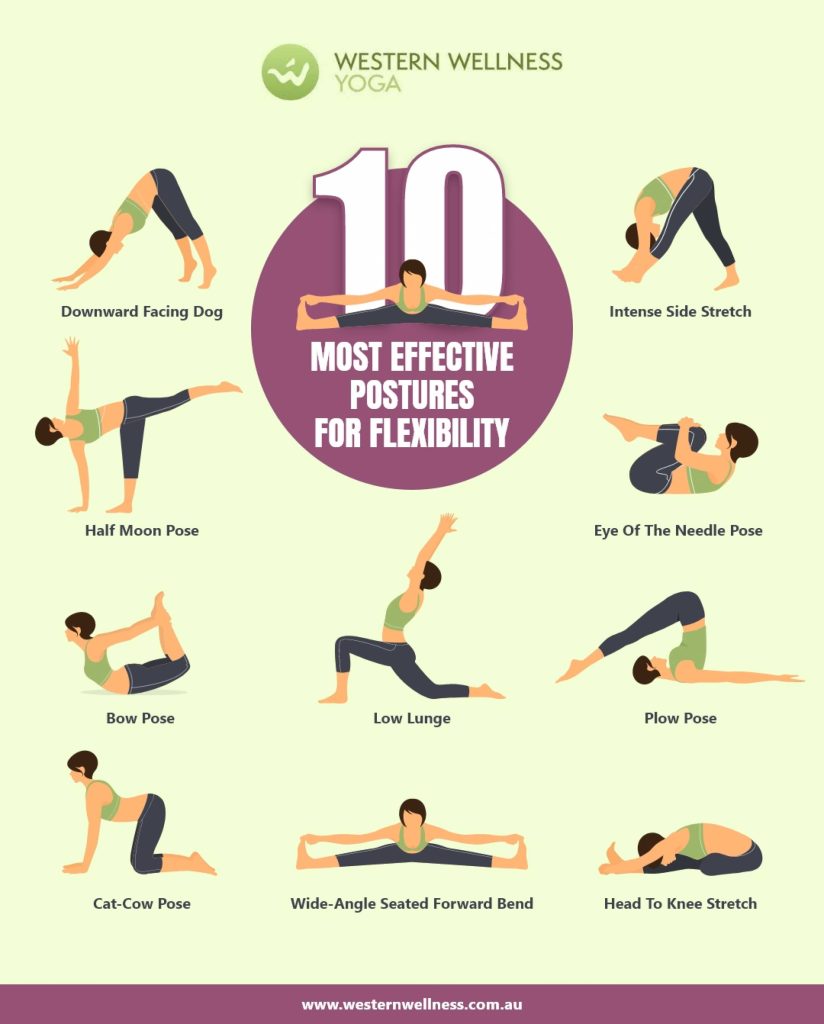
Are you looking to enhance your flexibility and overall well-being? Yoga might just be the perfect solution for you.
Imagine effortlessly reaching for that jar on the top shelf or bending down to tie your shoelaces with ease. Flexibility isn’t just about physical feats; it’s about feeling free in your own body and reducing the risk of injuries. But how exactly does yoga help in achieving this?
We’ll uncover the secrets behind yoga’s power to improve flexibility and why it should be part of your routine. Prepare to discover the simple yet transformative ways yoga can make your body feel more agile and relaxed. Ready to unlock your potential? Let’s dive into how yoga can transform your flexibility!
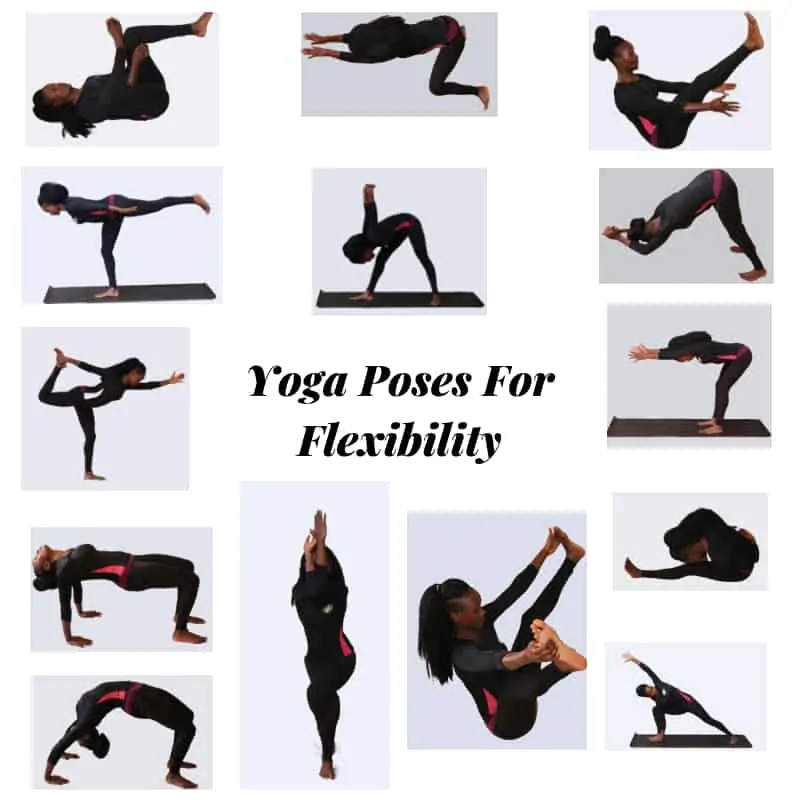
Credit: www.jenreviews.com
Benefits Of Flexibility
Yoga is a powerful tool for improving flexibility. Flexibility benefits go beyond just bending easier. It enhances physical performance, reduces injury risks, and improves posture. Let’s explore these benefits in detail.
Enhanced Physical Performance
Flexible muscles and joints move with ease. Athletes often see better results with flexibility. It allows greater range of motion. This means stronger and smoother movements. Everyday activities become easier too. Reaching, bending, and lifting require less effort. Flexibility supports all physical activities.
Reduced Risk Of Injury
Flexible muscles and joints are less prone to injury. They absorb shocks better. Stretching reduces muscle tension. This lowers the chance of strains and sprains. Flexible joints adapt to sudden movements. This adaptability helps prevent falls and accidents. Regular yoga practice builds resilience.
Improved Posture
Good posture depends on flexibility. Tight muscles cause poor alignment. Yoga stretches these muscles. This supports better spine alignment. Improved posture leads to less back pain. It also boosts confidence and appearance. A flexible body stands tall and strong. Yoga helps maintain this natural alignment.

Credit: www.healthline.com
Yoga And Muscle Stretching
Yoga enhances flexibility by stretching muscles gradually. These stretches lengthen muscle fibers, improving range of motion. Regular practice increases elasticity, helping joints move more freely.
Yoga is a powerful practice that can significantly improve your flexibility. This ancient exercise method focuses not only on strength and balance but also on stretching your muscles. Many people start yoga to enhance their flexibility, finding that regular practice leads to noticeable improvements. When you engage in yoga, you stretch your muscles in ways that you might not in everyday activities, leading to increased range of motion and decreased stiffness.
Key Poses For Flexibility
Certain yoga poses are particularly effective at enhancing flexibility. Downward Dog is a staple pose that stretches your hamstrings, calves, and shoulders. It’s a pose you should master because it targets multiple muscle groups. Pigeon Pose is another essential, opening up your hips and helping relieve tension. You’ll find that these poses, among others, gradually lengthen your muscles and improve your flexibility. Have you ever tried touching your toes without bending your knees? Yoga makes this achievable.
Engaging Different Muscle Groups
Yoga stretches not just a single muscle, but various groups simultaneously. This comprehensive approach means that you engage muscles you might not regularly use, enhancing overall flexibility. Take Triangle Pose, for example; it stretches your sides and strengthens your legs. You might notice the stretch deepening each time you practice. Camel Pose is another excellent stretch for your back and chest. It encourages you to open your body, leading to a more flexible spine. The more you engage diverse muscle groups, the more flexible you become. Incorporating these poses into your routine can transform your flexibility journey. Remember, consistency is key. Your muscles will thank you for the regular stretch sessions. What pose will you try today to boost your flexibility?
Breath And Movement Connection
Yoga is not just about stretching or holding poses. The true essence lies in the harmonious connection between breath and movement. This synergy is pivotal in enhancing flexibility, both physically and mentally. As you breathe deeply and move with intention, you create a dance between body and mind, allowing each part to flow naturally and gracefully. This connection can transform your practice, making it more impactful and rewarding.
Role Of Breathing Techniques
Breathing is the bridge between your body and mind. It helps you stay focused and calm, even in challenging poses. Deep breathing relaxes your muscles, making them more pliable. When you practice yoga, focus on using breathing techniques like “Ujjayi” or “Victorious Breath.” This involves taking slow, deep breaths through the nose, which warms and stretches your muscles. You might notice your hamstrings loosening or your shoulders releasing tension.
Imagine holding a challenging pose and feeling stuck. By consciously breathing, you can ease that tightness and find extra inches of flexibility. Have you ever tried this during a seated forward bend? You might find yourself reaching further than you thought possible.
Synchronizing Breath With Poses
Synchronizing breath with movement can elevate your yoga practice. Each pose has a natural rhythm that pairs with your breathing. For instance, as you inhale, you can expand into a pose like “Warrior I,” feeling your chest open and your arms rise. Exhaling, you might find ease as you transition to “Downward Dog,” sinking deeper into the stretch.
Consider the flow of a “Sun Salutation.” As you inhale, reach up and extend your spine. Exhale and fold forward. This rhythmic breathing guides your movements, making transitions smoother and poses more accessible. Have you ever noticed how a simple change in breath can shift your entire practice?
Breath and movement connection is not just a technique; it’s a journey. It’s about discovering how your breath can lead your body into deeper stretches and more profound relaxation. Next time you’re on the mat, focus on this connection. Notice how your practice changes, how your flexibility improves, and how you feel more aligned. Isn’t it fascinating how something as simple as breath can have such a profound impact?
Progressive Flexibility Techniques
Yoga enhances flexibility through various poses and stretches. Each movement gently lengthens muscles and improves joint mobility. Regular practice gradually increases range of motion, promoting better body balance.
Yoga is not just about achieving perfect poses. It emphasizes gradual progress. Progressive flexibility techniques help enhance flexibility over time. They focus on safe and effective stretching methods. These techniques build on each other. They adapt to the practitioner’s ability. This ensures steady growth without injury.
Gradual Increase In Difficulty
Start with basic poses. Master them before moving to more complex ones. This approach allows the body to adjust. It strengthens muscles and increases range of motion. Always maintain proper alignment in each pose. This prevents strain and supports progress. Consistent practice leads to noticeable improvements.
Listening To Your Body
Pay attention to your body’s signals. They guide you in your practice. Discomfort might indicate that you are pushing too hard. It’s important to distinguish between pain and challenge. Stop if you feel sharp pain. Respect your body’s limits. This prevents injuries and promotes long-term success. Rest when needed. It aids recovery and growth.
Mindfulness In Flexibility Training
Yoga enhances flexibility through mindful movement and poses that stretch muscles gently. Breathing deeply helps release tension and increases range of motion. Regular practice leads to improved muscle elasticity and joint mobility.
Yoga is not just about twisting your body into pretzel-like shapes. It’s also a powerful tool for improving flexibility through mindfulness. By focusing your mind, you can enhance your body’s capacity to stretch and bend. This connection between mind and body not only aids in physical flexibility but also helps you break through mental barriers. Let’s dive into how mindfulness in yoga can transform your flexibility training.
Mental Focus And Relaxation
Being present in each yoga pose is crucial. When you focus on your breath and movement, you start to relax. This relaxation lets your muscles release tension, allowing for a deeper stretch. Try paying attention to every inhale and exhale. Notice how your body responds. Feel the tension ease as your mind stays focused. Have you ever felt your mind wander during a stretch? Bring it back to your breathing. This focus can significantly enhance your flexibility.
Overcoming Psychological Barriers
Many people believe they’re not flexible. This mindset can limit progress. Yoga teaches you to overcome these psychological barriers. I once thought I could never touch my toes. But by practicing yoga regularly, I learned to let go of that belief. Gradually, my flexibility improved. What’s holding you back? Consider the self-imposed limits you might be placing on yourself. Yoga can help you recognize and overcome them. Think about the last time you doubted your abilities. How did it feel to prove yourself wrong? Yoga offers that chance every time you step on the mat. Mindfulness in yoga isn’t just about the physical. It’s about changing the way you think about your body’s capabilities. Embrace this mindset, and watch your flexibility soar.
Incorporating Yoga Into Daily Routine
Practicing yoga daily helps in improving flexibility by gently stretching muscles and joints. Regular yoga sessions increase body movement range. This leads to better posture and less stiffness.
Incorporating yoga into your daily routine can be a game-changer for your flexibility. Imagine waking up each day feeling less stiff, more agile, and ready to move through your day with ease. Adding yoga to your daily schedule might seem daunting at first, but with the right approach, it becomes a seamless part of your life that enhances both your physical and mental well-being.
Consistency And Commitment
Consistency is key to seeing progress in your flexibility. Start small, perhaps with just ten minutes each morning. Over time, as you build a habit, you’ll find yourself naturally increasing the duration. Commit to a schedule that works for you. Maybe it’s early mornings to set a positive tone for your day or evenings to unwind. The time of day is less important than the regularity of your practice. Life can be busy. How can you ensure you stick to your yoga practice? Consider setting reminders or pairing your yoga time with another daily habit, like brushing your teeth. This will help reinforce your new routine.
Adapting To Personal Needs
Your yoga practice should reflect your personal needs and goals. If you’re new to yoga, start with basic poses that gently stretch your muscles. As you progress, gradually introduce more challenging poses that push your boundaries. Everyone’s body is different. Listen to yours and adapt poses to suit your flexibility level. Use props like blocks or straps to aid your practice and prevent injury. Are you dealing with specific stiffness or tightness? Focus on targeted poses that address these areas, whether it’s your hamstrings, hips, or shoulders. This tailored approach not only improves flexibility but also enhances your overall experience. Incorporating yoga into your daily life is more than just a physical practice—it’s a commitment to better health and self-awareness. What steps will you take today to make yoga a part of your routine?

Credit: ocsportsandrehab.com
Frequently Asked Questions
How Long Does It Take To Improve Flexibility In Yoga?
Improving flexibility in yoga varies per individual. Consistent practice can show results in weeks or months. Progress depends on frequency, body type, and dedication. Regular stretching and mindful breathing enhance flexibility. Listen to your body and maintain a balanced routine for better results.
How Does Yoga Improve Joint Flexibility?
Yoga improves joint flexibility by stretching and strengthening muscles around joints. It increases blood flow and reduces stiffness. Regular practice enhances range of motion and promotes joint lubrication. This helps prevent injuries and alleviates joint pain, contributing to overall mobility and flexibility.
Which Yoga Is Best For Increasing Flexibility?
Vinyasa yoga is excellent for boosting flexibility. It involves dynamic sequences that stretch and strengthen muscles. Practicing regularly increases range of motion and reduces stiffness. Incorporating poses like downward dog and lunges enhances flexibility effectively. Always warm up before starting to prevent injuries.
Is Yoga The Key To Flexibility?
Yoga significantly enhances flexibility by stretching muscles and improving range of motion. Regular practice increases joint mobility, aiding flexibility. Consistent yoga sessions help maintain and boost flexibility over time. This holistic approach combines physical movements with breathing techniques, promoting overall well-being and flexibility.
Embrace yoga for a balanced, flexible lifestyle.
Conclusion
Yoga gently enhances flexibility over time. Each pose stretches muscles. This improves range of motion. Regular practice leads to gradual progress. Small changes make a big difference. Feel less stiffness. Move with ease. Enjoy daily activities more. Your body becomes more adaptable.
Flexibility supports better balance. It also reduces injury risks. Yoga nurtures both body and mind. It’s a journey, not a race. Commit to regular practice. Experience the benefits firsthand. Better flexibility brings a sense of freedom. Embrace the change. Enjoy the journey with yoga.
