
Are tight hamstrings holding you back from your fitness goals or daily activities? You’re not alone.
Many people struggle with hamstring flexibility, leading to discomfort and even injury. But don’t worry—there’s a solution that’s both effective and soothing: yoga. Imagine being able to move freely and comfortably, whether you’re hitting the gym, going for a run, or simply bending down to tie your shoes.
This article will show you how to improve your hamstring flexibility with yoga, so you can enjoy a more active and pain-free life. Dive in to discover simple yet powerful yoga poses that can make a real difference in how you feel every day. Ready to unlock your body’s potential? Keep reading to learn how!
Benefits Of Hamstring Flexibility
Improving hamstring flexibility offers several benefits for health and fitness. Flexible hamstrings enhance movement and stability. This contributes to a more active lifestyle. It can also aid in improving posture and reducing muscle tension. Yoga provides an effective way to improve this flexibility. Through consistent practice, one can experience significant benefits.
Enhanced Athletic Performance
Hamstring flexibility boosts athletic performance. It allows for greater stride length in running. This improves speed and efficiency. Flexible hamstrings also enhance jumping ability. They increase power and agility in movements. Athletes can perform better with less effort. This can be crucial in competitive sports.
Reduced Injury Risk
Flexible hamstrings lower the risk of injuries. Tight hamstrings can lead to strains and tears. Stretching reduces such risks. It also helps in maintaining muscle balance. This balance supports joints and reduces stress. Regular yoga practice keeps the muscles supple and strong. This makes them less prone to injuries.
Common Hamstring Issues
Hamstring tightness can cause discomfort and limit movement. Yoga poses like forward bends and lunges help stretch and strengthen hamstrings. Regular practice improves flexibility, reducing the risk of injuries.
Common Hamstring Issues Many people struggle with hamstring issues, especially when trying to improve flexibility through yoga. These issues can significantly impact your daily movements and even limit your yoga practice. Understanding the common causes and effects of tight hamstrings is crucial in addressing them effectively. Tightness Causes Hamstring tightness is often caused by prolonged sitting. If your job involves sitting at a desk for hours, your hamstrings might be tight. This is because they are kept in a shortened position for extended periods. Another common reason is lack of regular stretching. If you don’t actively stretch your hamstrings, they can become stiff and lose flexibility. Consider adding a few simple stretches to your daily routine. Injuries can also lead to tightness. Have you ever strained your hamstring while exercising? This can cause the muscle to tighten as it heals, leading to long-term stiffness. Impact on Movement Tight hamstrings can severely affect how you move. You may notice difficulty in bending forward or lifting your leg high. This can interfere with activities such as running, cycling, or even walking comfortably. Yoga poses like forward folds or downward dog might be challenging. Ever felt like you couldn’t straighten your legs in these poses? That’s your hamstrings talking. Imagine trying to touch your toes and feeling a sharp pull at the back of your legs. This discomfort can discourage you from pursuing yoga further. But don’t let that stop you. Addressing hamstring tightness can open up a whole new world of movement possibilities. Have you ever wondered how much more mobile you could be if your hamstrings were flexible? Improving flexibility is within reach, with consistent effort and mindful practice.
Yoga Poses For Hamstrings
Yoga offers a gentle approach to improving hamstring flexibility. Regular practice can enhance muscle length and strength. It also aids in reducing tightness and discomfort. The following poses focus on stretching the hamstrings effectively. Incorporate them into your routine for better flexibility.
Forward Bend Variations
Forward bends are excellent for stretching the hamstrings. Start with a simple standing forward bend. Keep your knees slightly bent. This reduces strain on your lower back. As your flexibility increases, straighten your legs more. Another variation is the seated forward bend. Sit on the floor with legs extended. Reach forward, aiming to touch your toes. Use a yoga strap if needed. These poses lengthen the hamstrings and improve flexibility.
Triangle Pose
Triangle Pose stretches the hamstrings and strengthens the thighs. Stand with feet wide apart. Turn your right foot out, keeping the left foot straight. Extend your arms parallel to the floor. Reach forward with your right hand. Lower it to your shin, ankle, or floor. Keep your left arm pointing up. Hold the pose while breathing deeply. This pose enhances balance and stretches the legs.
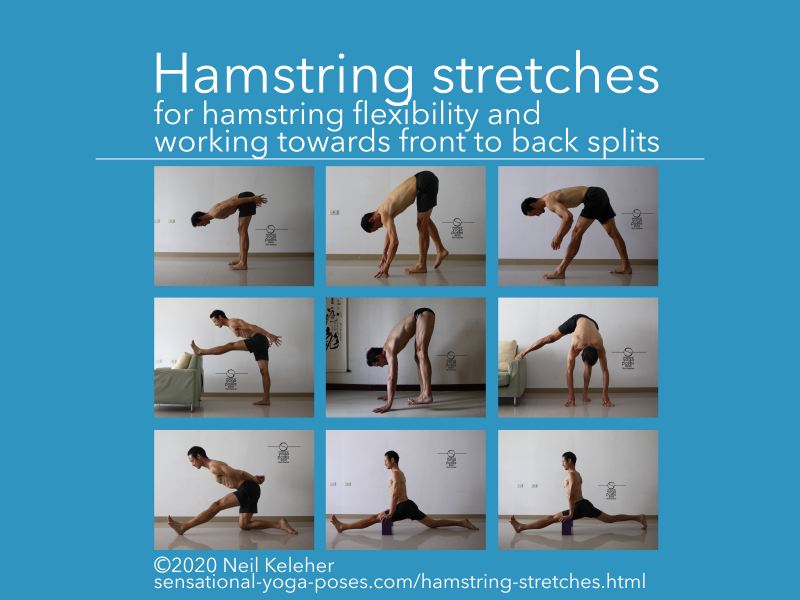
Credit: www.sensational-yoga-poses.com
Proper Technique And Alignment
Improving hamstring flexibility in yoga relies on proper technique and alignment. Focus on keeping the spine straight and engaging core muscles. Ensure the hips and knees are aligned to prevent strain and enhance stretch effectiveness.
Improving hamstring flexibility through yoga is more than just stretching. It’s about ensuring each movement is performed with proper technique and alignment. This not only helps in achieving better results but also prevents injuries. A few years ago, I struggled with tight hamstrings and learned the hard way that technique matters more than the stretch itself. Let’s dive into some effective methods to improve your hamstring flexibility with the right approach.
Breathing Techniques
Your breath can significantly enhance your flexibility. When you inhale deeply, you allow more oxygen to flow to your muscles. This oxygen helps in loosening tight spots. As you exhale, try to gently deepen your stretch, but listen to your body. If it feels too intense, ease off a bit. Consistent breathing during each stretch can make a noticeable difference.
Avoiding Overstretching
Overstretching can do more harm than good. It’s crucial to recognize the difference between a gentle stretch and pain. If you’re feeling sharp discomfort, it’s a sign to stop. When I first started yoga, I pushed myself too hard, leading to a strained muscle. Remember, your journey is unique. Progress might be slow, but it’s safer and more sustainable. Always warm up before starting your yoga routine and pay attention to your body’s signals. Adopting these strategies can improve your hamstring flexibility while keeping you safe. Have you ever found yourself overdoing it in pursuit of flexibility? What changes did you make to your practice? Share your experiences and let’s learn from each other.
Incorporating Props
Props help improve hamstring flexibility in yoga. Blocks and straps assist in achieving deeper stretches safely. Incorporating props allows for gentle progression, reducing strain and enhancing comfort during practice.
Incorporating props into your yoga practice can make a significant difference. Props help you enhance your flexibility and deepen your stretches. They provide support and stability, allowing you to practice safely and effectively. When working on improving hamstring flexibility, using props like blocks and straps can be incredibly beneficial. These tools can assist in maintaining proper alignment and increase the effectiveness of your stretches. Let’s explore how blocks and straps can be used to improve your hamstring flexibility.
Using Blocks
Blocks are versatile tools in yoga practice. They can help you reach the floor when your flexibility is limited. Place a block under your hands during forward bends. This helps you maintain a straight spine while stretching your hamstrings. You can adjust the height of the block to match your flexibility level. Blocks also aid in maintaining balance. Use them to support your hands or feet in various poses. This stability allows you to focus on stretching your hamstrings without straining.
Benefits Of Straps
Straps are excellent for deepening stretches. They help in achieving poses that seem out of reach. Wrap a strap around your foot during seated forward bends. Pull gently to enhance the stretch in your hamstrings. Straps are useful for maintaining proper form. They prevent you from overextending and risking injury. This controlled stretching improves flexibility over time. Straps also help in building strength. They allow you to hold poses longer, which strengthens hamstring muscles.

Credit: yoga15.com
Consistency In Practice
Improving hamstring flexibility through yoga requires consistency. Regular practice helps your muscles adapt. It builds strength and flexibility over time. Consistent effort leads to noticeable improvements. This approach also helps prevent injuries. It ensures steady progress in your yoga journey.
Creating A Routine
A well-structured routine is key to success. Set specific days for yoga practice. Choose a time that fits your schedule. Make it a habit. Consistency comes from regular repetition. Start with shorter sessions. Gradually increase the duration as you feel comfortable. Include poses that target the hamstrings. This focused approach helps improve flexibility.
Tracking Progress
Monitoring your progress keeps you motivated. It shows how far you’ve come. Use a journal to note down your sessions. Record the poses you practice. Write about how your body feels. Take photos to visually track your flexibility. This helps you see improvements over time. Celebrate small milestones. They encourage you to keep going.
Expert Tips For Flexibility
Improving hamstring flexibility through yoga requires patience and practice. Experts recommend a balanced approach. Focus on techniques that gradually enhance flexibility while preventing injuries. Below are some expert tips to guide your journey. These tips will help you progress safely and effectively.
Gradual Progression
Start with gentle poses. Ease into each stretch. Holding a pose for a few seconds is fine. Increase duration as you feel comfortable. Consistency is key. Practice regularly to see improvement. Don’t rush the process. Gradual progression ensures long-term benefits.
Listening To Your Body
Pay attention to how your body feels. Discomfort can signal overexertion. Rest if you feel any sharp pain. Modify poses to suit your comfort level. Each body is unique. What works for one person might not work for another. Always honor your limits.

Credit: yoga15.com
Additional Exercises
Exploring yoga can greatly boost hamstring flexibility. Exercises like forward bends and downward-facing dog effectively stretch and strengthen these muscles. Consistent practice helps improve range of motion and reduces muscle tension.
Improving hamstring flexibility through yoga requires dedication and various exercises. While traditional yoga poses offer significant benefits, incorporating additional exercises can enhance flexibility further. These exercises complement your yoga routine, targeting the hamstrings effectively.
Dynamic Stretching
Dynamic stretching involves active movements that stretch muscles gently. This type of stretching improves flexibility and prepares muscles for yoga. Try leg swings to loosen tight hamstrings. Stand on one leg and swing the other leg forward and backward. Repeat this movement several times to feel the stretch. Another effective dynamic stretch is walking lunges. Step forward with one foot and bend both knees. Keep your back straight and switch legs. These movements increase blood flow and flexibility.
Strengthening Techniques
Strong hamstrings support flexibility. Strengthening exercises improve muscle balance and prevent injuries. Bridge pose is a simple yet effective technique. Lie on your back with knees bent and feet flat. Lift your hips towards the ceiling while squeezing your glutes. Hold for a few seconds and lower back down. Another great exercise is the deadlift. Stand with feet hip-width apart and hold weights in front. Bend at the hips and lower the weights slowly. Keep your back straight and feel the stretch in your hamstrings. Repeat to build strength gradually. Including these additional exercises in your routine can enhance hamstring flexibility. They offer a balanced approach, combining stretching with strengthening for optimal results.
Frequently Asked Questions
How To Loosen Tight Hamstrings In Yoga?
Practice poses like Downward Dog, Standing Forward Bend, and Pyramid Pose. Incorporate gentle stretching and deep breathing. Warm up before starting yoga sessions. Consistency is key to improving flexibility. Use props like yoga blocks for support and gradual progression. Always listen to your body and avoid overstretching.
How Can I Quickly Improve My Hamstring Flexibility?
Incorporate daily dynamic stretches like leg swings and yoga poses. Hold static stretches for 20-30 seconds post-workout. Use foam rollers to alleviate tightness. Consistent practice enhances flexibility over time.
What Yoga Pose Strengthens Hamstrings?
The Downward Dog pose strengthens hamstrings effectively. This pose stretches and lengthens hamstrings, improving flexibility. Practicing regularly enhances muscle strength and endurance. Ensure proper form to maximize benefits and avoid injury. Incorporate Downward Dog into your yoga routine for stronger hamstrings.
What Emotion Is Held In The Hamstrings?
Hamstrings often hold the emotion of fear. Tension in these muscles can indicate suppressed feelings of insecurity or anxiety. Regular stretching and mindfulness can help release these emotions, promoting both physical and emotional well-being. Understanding this connection can aid in holistic healing and stress management.
Conclusion
Yoga can greatly enhance hamstring flexibility. Consistent practice brings noticeable improvements. Start with simple stretches. Gradually move to more challenging poses. Always listen to your body. Avoid overstretching to prevent injury. Breathe deeply during each pose. This helps relax tight muscles.
Flexibility varies from person to person. Celebrate small progress each day. Regular yoga practice builds strength and balance too. It promotes overall well-being. Remember to stay patient and committed. Flexibility improves over time. Enjoy your journey to better hamstring health.
