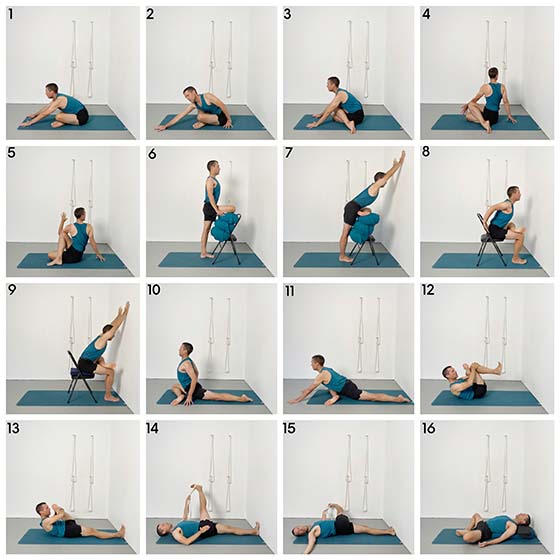
Feeling a little stiff during your yoga sessions? Struggling to sink deeper into those poses?
You’re not alone. Tight hip flexors can hold you back from fully enjoying your practice and reaping its benefits. But don’t worry. Improving your hip flexibility is not only achievable but can transform your yoga experience. Imagine gliding through poses with ease, feeling every stretch and movement as a flow rather than a struggle.
Curious about how you can make this a reality? Keep reading. Discover practical tips and exercises that will enhance your flexibility and elevate your yoga journey to a new level of harmony and strength.
Benefits Of Hip Flexibility In Yoga
Hip flexibility is a cornerstone of a fulfilling yoga practice. It not only elevates your ability to perform poses but also enhances your overall well-being. Having flexible hips can improve your balance, reduce injury risks, and allow you to achieve deeper poses. This flexibility provides a foundation for your yoga journey, making each session more rewarding and effective.
Enhanced Movement And Balance
Flexible hips improve your movement fluidity. You’ll find transitions between poses smoother. Your balance also benefits, as your hips support your spine and legs better.
Imagine holding tree pose with newfound steadiness. With flexible hips, your body adjusts naturally, keeping you grounded even on one foot.
Reduced Risk Of Injury
Inflexible hips can lead to strains and sprains. Flexible hips distribute your weight evenly, reducing stress on knees and lower back.
Consider the times you felt a pinch in your lower back during a forward bend. With better hip flexibility, you minimize such discomfort and protect your body.
Deeper Pose Achievements
Achieving deeper poses is a rewarding part of yoga. Flexible hips allow you to explore poses like pigeon or lotus with ease.
Have you ever felt stuck trying to reach your toes in a seated forward bend? Flexible hips can open up new possibilities, making you feel more accomplished in your practice.
Think about how your practice could change with better hip flexibility. What new poses could you master? Embrace the benefits and watch your yoga journey transform.
Understanding Hip Anatomy
Improving hip flexibility for yoga involves understanding the hip’s complex anatomy. Regular stretching and mindful movements help enhance mobility, making poses easier. Focus on exercises that target hip flexors and surrounding muscles to ensure better range of motion and comfort during practice.
Understanding hip anatomy is crucial for improving hip flexibility in yoga. Knowing how your hips work can help you stretch effectively and safely. Let’s break down the key parts of hip anatomy that play a role in your yoga practice.
Key Muscles Involved
Your hips are powered by several important muscles. The hip flexors, including the iliopsoas, are essential for lifting your knees and bending at the waist. These muscles can become tight if you sit for long periods. Then, there are the glute muscles, which stabilize your pelvis and help with hip rotation. Strong glutes can make yoga poses like Warrior and Tree more stable. Have you ever noticed how these poses feel easier when your glutes are engaged? Lastly, the adductors, located on the inner thighs, help bring your legs together. They play a key role in poses like Eagle and Garland. Stretching these muscles can enhance your hip flexibility significantly.
Role Of Joints And Tendons
The hip joint is a ball-and-socket joint, allowing for a wide range of movement. This joint is what makes yoga poses like Pigeon possible. However, it can be restricted by tight tendons. Tendons connect muscles to bones, and they need to be flexible yet strong. If your tendons are tight, it can limit your range of motion. Regular yoga practice encourages tendon flexibility over time. The ligaments around the hip joint also play a role in stability. Have you ever tried balancing in Half Moon Pose? Your ligaments are hard at work to keep you upright. Understanding these components helps you identify what might be holding back your flexibility. Is it muscle tightness, tendon stiffness, or joint restriction? Knowing this can tailor your yoga practice effectively. Personal Experience Insight I remember struggling with hip flexibility during my early yoga sessions. After learning about hip anatomy, I focused on stretching my iliopsoas and noticed a significant change. Have you tried targeting specific muscles or tendons and seen results in your practice?
Common Hip Flexibility Challenges
Hip flexibility plays a vital role in yoga practice. Many people face challenges that limit their hip mobility. Understanding these common issues can help in overcoming them effectively. Improving hip flexibility requires patience and consistent effort. Let’s explore some common hip flexibility challenges.
Tight Hip Flexors
Tight hip flexors are a common problem. They occur due to prolonged sitting or lack of movement. This tightness affects your yoga practice and daily life. Stretching exercises can help loosen tight hip flexors. Consistent practice leads to better flexibility over time.
Limited Range Of Motion
Limited range of motion hinders yoga poses. It can result from muscle stiffness or joint issues. Improving range of motion requires regular stretching and movement. Gentle yoga poses can aid in enhancing mobility. Consistency is key in seeing progress.
Warm-up Techniques
Improving hip flexibility is crucial for yoga enthusiasts. Warming up is essential. It prepares your body for deeper stretches. It reduces the risk of injury. Effective warm-up techniques can enhance your yoga experience.
Dynamic Stretching Routines
Dynamic stretching boosts blood flow. It involves movement-based stretches. Try leg swings. Stand on one leg, swing the other back and forth. Repeat with the other leg. Hip circles are another great stretch. Place hands on hips. Move your hips in circles. Start small and gradually increase the range. These movements warm up your hip joints.
Breathing Exercises For Relaxation
Breathing exercises calm the mind. They also prepare your body for stretching. Start with deep breathing. Inhale deeply through your nose. Let your belly expand. Exhale slowly through your mouth. This helps relax your muscles. Try the “4-7-8” technique. Inhale for four counts. Hold for seven counts. Exhale for eight counts. This method reduces tension. It promotes a peaceful state. Perfect for yoga sessions.
Effective Yoga Poses For Hip Flexibility
Improving hip flexibility is crucial for a better yoga practice. Tight hips can limit movement and cause discomfort. Yoga offers poses to stretch and strengthen the hip area. These poses help increase range of motion and reduce tension.
Consistent practice leads to greater flexibility and a more balanced body. Let’s explore some effective poses to enhance hip flexibility.
Pigeon Pose
Pigeon Pose is a popular choice for opening the hips. Begin by moving into a downward-facing dog position. Bring one knee forward and place it behind your wrist. Extend the other leg straight back. Lower your torso and breathe deeply.
This pose stretches the hip flexors and glutes. It can relieve tension and improve range of motion. Hold the pose for several breaths and switch sides.
Butterfly Pose
Butterfly Pose is gentle yet effective for hip flexibility. Sit with your legs bent and soles of the feet together. Bring your heels close to your body. Let your knees fall open, resembling butterfly wings.
This pose stretches the inner thighs and hips. Keep your back straight and breathe steadily. It can help relax tight muscles and increase flexibility.
Lizard Pose
Lizard Pose is great for deep hip stretching. Start in a plank position. Step one foot forward to the outside of your hand. Lower your hips toward the ground. Keep your back leg extended.
Focus on lengthening the spine and opening the hips. It targets the hip flexors and groin area. Hold the pose, breathing deeply, then repeat on the other side.
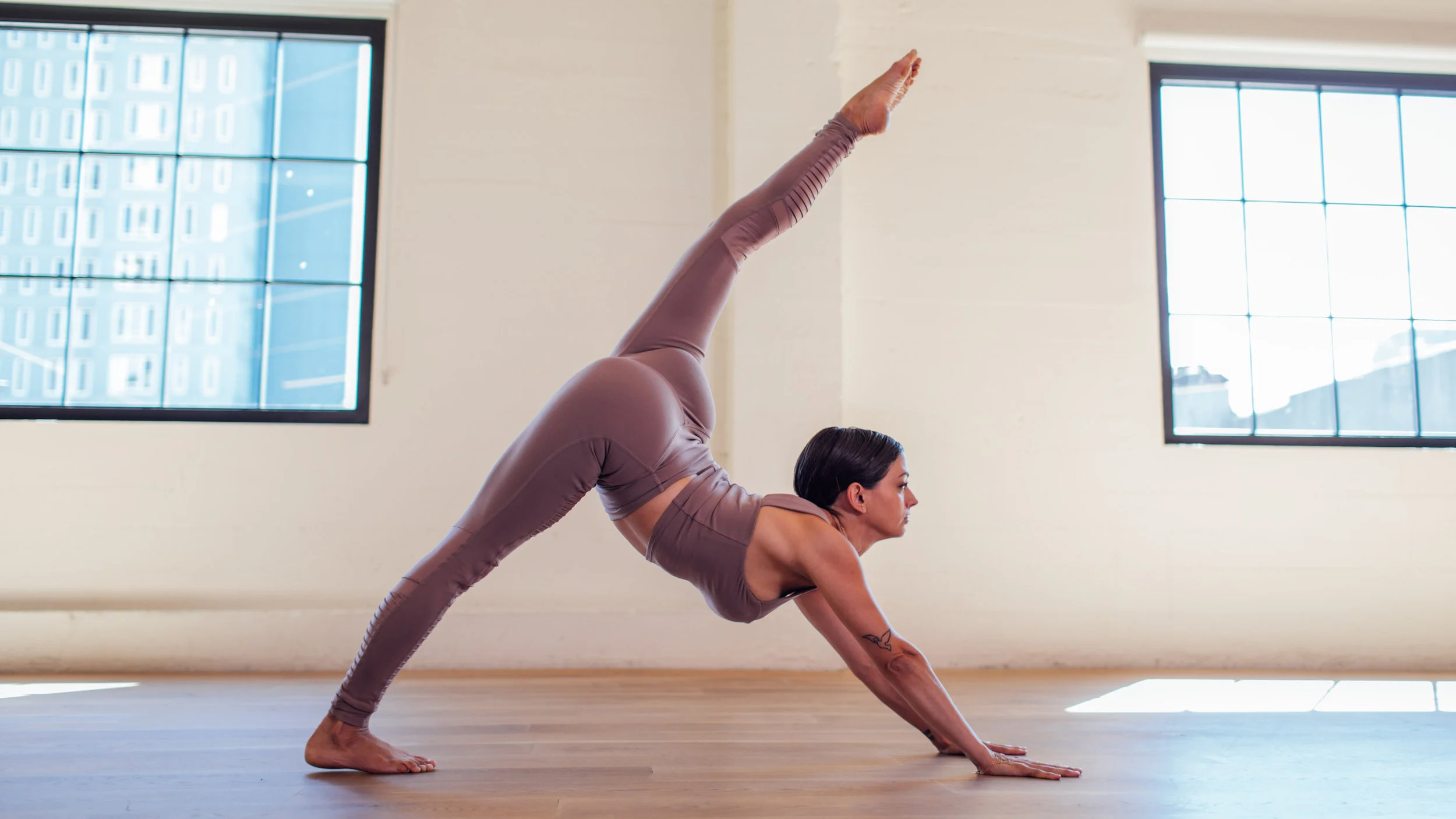
Credit: blog.alomoves.com
Incorporating Props And Modifications
Utilizing props like blocks and straps can greatly assist in deepening hip stretches. Modifications to poses help beginners safely enhance their hip flexibility. These tools offer support, allowing for gradual improvement in yoga practice.
Improving hip flexibility is essential for a smoother yoga practice. Sometimes, our bodies need a little help to reach their full potential. That’s where props and modifications come in handy. Using these tools can enhance your practice, allowing for deeper stretches and safer poses. Whether you’re a beginner or a seasoned yogi, incorporating props can make a difference. Dive into how blocks, straps, and adjustments can transform your yoga routine.
Using Blocks And Straps
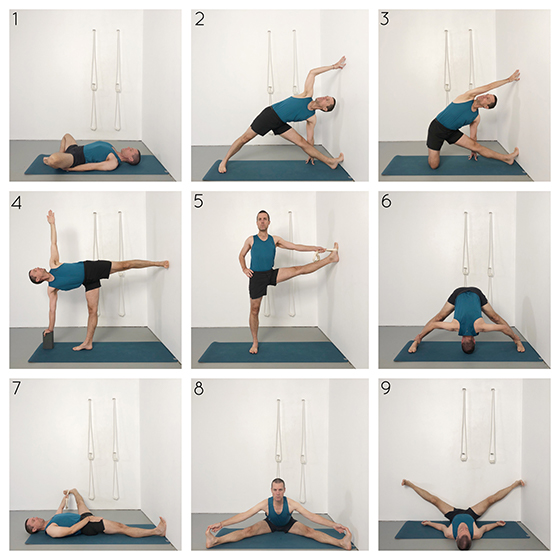
Blocks and straps are great for enhancing your hip flexibility. Blocks help you maintain balance and reach where your hands can’t. They’re like having an extension of your arms. Place a block under your hand in poses like Triangle to ease the stretch in your hips. Straps come into play when you need a little extra length. Ever find yourself struggling to reach your foot in Pigeon Pose? Loop a strap around your foot and gently pull it closer. This assists in deepening your stretch without straining. Don’t have yoga props at home? Get creative. Use books as blocks or a towel as a strap. The key is to support your body and reduce strain.
Adjusting Pose Depth For Comfort
Comfort should always be your priority in yoga. Adjusting pose depth can help you find the right balance between challenge and ease. You don’t need to push yourself into the deepest version of a pose right away. Take Child’s Pose, for instance. Instead of diving into the full stretch, ease into it. Place a cushion under your thighs or belly if you feel too much pressure. This modification allows your hips to gradually open. Listen to your body. Some days, you might feel more flexible than others. Adjust accordingly. The goal is to build flexibility over time without risking injury. What modifications have helped you improve your hip flexibility in yoga?
Consistency And Progress Tracking
Improving hip flexibility for yoga requires consistency and progress tracking. Regular practice builds muscle memory and improves flexibility over time. Tracking your progress helps you stay motivated and see the changes.
Setting Realistic Goals
Set achievable goals to improve your hip flexibility. Start with small, manageable targets. For example, aim to hold a stretch for 30 seconds. Gradually increase the duration as your flexibility improves. Setting realistic goals prevents frustration and keeps you motivated.
Maintaining A Yoga Journal
A yoga journal helps track your progress. Record your daily practice, noting how your body feels. Include details like the duration of stretches and any improvements. Reflecting on your entries helps you see patterns and progress. A journal also helps identify areas needing more focus.

Credit: www.pinterest.com
Expert Tips For Advanced Flexibility
Improve hip flexibility for yoga with expert tips. Stretch daily and focus on hip-opening exercises like pigeon pose. Consistency and proper technique enhance mobility, benefiting your practice.
Improving hip flexibility is key to advancing your yoga practice. But achieving this can often feel like a daunting task. Fortunately, there are expert tips that can guide you through the process, making it not just achievable but enjoyable. Let’s dive into two essential strategies: gradually increasing the intensity of your stretches and the benefits of cross-training.
Gradual Intensity Increase
Take it slow and steady. Pushing your body too hard can lead to injury. Instead, start with gentle stretches and gradually increase the intensity. This approach allows your muscles to adapt and grow stronger. Consider how you feel during each stretch. If you’re uncomfortable, ease back slightly. This doesn’t mean you’re failing; it means you’re listening to your body. I once thought I needed to reach a certain pose immediately. But by slowing down, I found my flexibility improved over time. Are you challenging yourself enough? It’s easy to fall into a routine. Mix up your stretches, focus on different angles, and introduce new poses to keep your muscles engaged.
Incorporating Cross-training
Yoga isn’t the only way to improve hip flexibility. Adding other activities can enhance your practice. Pilates, swimming, and even dancing offer unique benefits. Why not try a Pilates class? It strengthens the core and improves flexibility. I noticed significant changes in my hip flexibility after incorporating Pilates once a week. This variety keeps things fresh and exciting. Do you ever get bored with your routine? Cross-training prevents monotony and encourages progress. It challenges different muscle groups, promoting overall balance and strength. Incorporate these tips into your routine and see how your yoga practice transforms. Remember, consistency is key. As you improve your flexibility, you’ll find new poses less intimidating, and your yoga journey will become more fulfilling.
Preventing Overstretching And Injury
Hip flexibility is vital for yoga enthusiasts. It enhances posture, balance, and overall well-being. But, overstretching can lead to injuries, which can hinder progress. To safely improve hip flexibility, it’s crucial to prevent overstretching and injury. Focus on body awareness and recognize warning signs during practice. These steps ensure a safer yoga journey.
Listening To Your Body
Your body communicates through sensations. Listen to it to avoid overstretching. Pay attention to how your hips feel in each pose. If you experience discomfort, ease off. This approach prevents injuries and supports progress. Breathing deeply helps tune into your body’s signals. Stay mindful and present during yoga practice.
Recognizing Warning Signs
Understanding warning signs is key to avoiding injury. Sharp pain is a major red flag. If you feel it, stop immediately. Gentle stretching should never cause pain. Muscle tightness can signal overuse or stress. If persistent, rest and recovery are essential. Swelling or bruising can indicate strain. Consult a professional if symptoms persist.
Credit: yogaselection.com
Frequently Asked Questions
Can Yoga Improve Hip Flexibility?
Yoga can significantly enhance hip flexibility. Practicing poses like pigeon and butterfly stretches loosens tight muscles. Regular yoga sessions increase range of motion and reduce stiffness. Improved flexibility supports better posture and reduces hip pain. Consistent practice leads to noticeable improvements in hip flexibility and overall joint health.
How Do I Get More Flexibility In My Hips?
Improve hip flexibility by practicing yoga and stretching exercises daily. Focus on hip openers like pigeon pose, lunges, and butterfly stretch. Consistency is key for noticeable improvement. Warm up before stretching to prevent injury and increase effectiveness. Always listen to your body and progress at your own pace.
How Long Does It Take To Improve Hip Flexibility?
Improving hip flexibility can take 4 to 6 weeks with consistent stretching exercises. Regular practice is essential for progress. Incorporate dynamic and static stretches into your routine. Listen to your body and avoid overexertion. Progress may vary based on individual factors, such as age, fitness level, and commitment.
Why Are My Hips Tight After Yoga?
Tight hips after yoga might result from muscle tension or incorrect alignment during poses. Stretching deeply can cause temporary discomfort. Proper warm-up and gentle stretches can help alleviate this tightness. Consistency in practice improves flexibility and reduces tightness over time.
Ensure correct posture to minimize strain.
Conclusion
Improving hip flexibility enhances your yoga practice. It helps with balance and posture. Simple exercises can make a big difference. Stretch regularly to see progress. Listen to your body and avoid strain. Take it slow and steady. Breathing deeply aids relaxation.
Consistency is key to improvement. Incorporate flexibility routines into daily life. Benefits extend beyond yoga, promoting overall health. Feel more comfortable with each pose. Enjoy a more rewarding yoga experience. Keep practicing and stay motivated. Your body will thank you in the long run.
More flexibility equals more freedom in movement.
