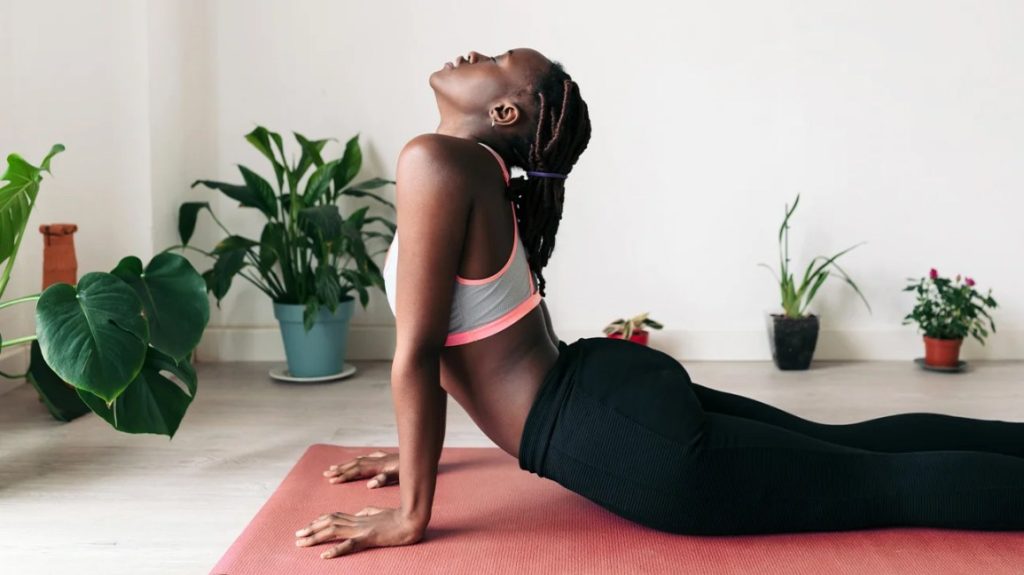
Imagine moving with ease and grace, feeling your body respond effortlessly to your every command. Flexibility isn’t just for athletes or the naturally limber—it’s something you can cultivate, and yoga is your ally in this pursuit.
Whether you’re a beginner or a seasoned yogi, incorporating yoga poses into your routine can transform your body’s flexibility. Have you ever felt stiff after a long day, or noticed that reaching for something just out of grasp is more challenging than it should be?
Yoga can help. It’s not just about touching your toes; it’s about enhancing your overall mobility and feeling more comfortable in your own skin. As you read on, you’ll discover how specific yoga poses gently stretch and strengthen your muscles, leading to improved flexibility and a greater sense of well-being. Unlock the secrets of your body’s potential and learn how yoga can make you more flexible. Ready to dive in? Let’s explore the transformative power of yoga poses together.
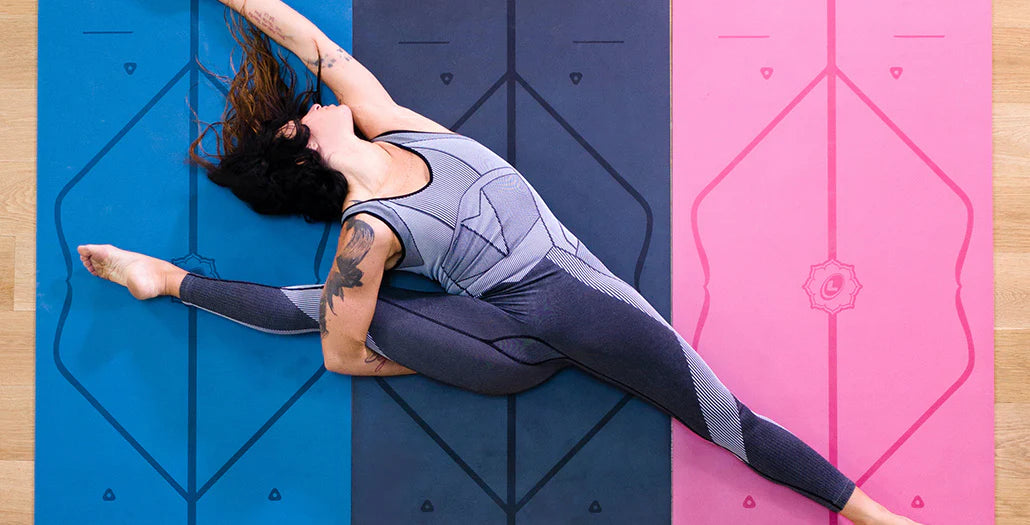
Credit: liforme.com
Benefits Of Yoga For Flexibility
Yoga is a powerful tool for enhancing flexibility. It offers a variety of poses that gently stretch and strengthen the body. As you practice regularly, you can expect noticeable improvements in your flexibility. The benefits extend beyond physical changes and touch on mental well-being. The mind becomes more adaptable, just like the body. Let’s explore how yoga poses contribute to increased flexibility.
Increased Range Of Motion
Yoga improves the range of motion in joints and muscles. Stretching in yoga helps loosen tight areas. With each pose, muscles lengthen and relax. This process gradually increases flexibility. Over time, you find more freedom in movement. Everyday tasks become easier. You may even notice less stiffness in the body.
Improved Muscle Elasticity
Yoga promotes better muscle elasticity. Muscles become more pliable as they stretch. Elastic muscles adapt better to different movements. This reduces the risk of injury. Elasticity also aids in smooth motion transitions. Practicing yoga regularly helps maintain this elasticity. The more elastic your muscles are, the easier the yoga poses become.
Joint Health Enhancement
Yoga supports joint health and strength. It encourages the production of lubricating fluid in joints. This fluid helps joints move smoothly. Yoga poses promote joint flexibility and stability. Regular practice can reduce joint pain. It may also slow down wear and tear. Strong, healthy joints enhance overall mobility. They support other physical activities outside yoga.
:max_bytes(150000):strip_icc()/VWH-GettyImages-1314559481-d0e03f4f968445dd82d9493f2eb1a0b7.jpg)
Credit: www.verywellhealth.com
Key Yoga Poses For Flexibility
Yoga poses boost flexibility by stretching muscles and improving range of motion. Poses like Downward Dog and Cobra focus on lengthening and loosening tight areas. Regular practice aids in gradually enhancing flexibility while also reducing stiffness.
Yoga is a wonderful practice for enhancing flexibility. It involves various poses that stretch and lengthen muscles. This helps improve range of motion and posture. Flexibility aids in preventing injuries and maintaining joint health. Below are key yoga poses that boost flexibility. Each pose targets different muscle groups, offering a holistic approach to improving flexibility.
Forward Fold
The Forward Fold is a basic yet effective pose. Stand with feet hip-width apart. Bend forward, letting arms hang. Feel the stretch in your hamstrings and back. Breathe deeply to relax into the pose.
Downward Dog
Downward Dog engages multiple muscle groups. Begin on hands and knees. Lift hips, forming an inverted V-shape. Stretch your spine, shoulders, and calves. Press heels toward the ground for a deeper stretch.
Pigeon Pose
Pigeon Pose targets the hips. Start in a seated position. Extend one leg behind you. Bend the other leg in front. Lean forward to deepen the stretch. This pose releases tension in the hip area.
Cat-cow Stretch
Cat-Cow Stretch improves spinal flexibility. Start on hands and knees. Alternate between arching your back and rounding it. This gentle flow warms up the spine. It enhances mobility and eases tension. These poses are a great start for anyone seeking to improve their flexibility. Regular practice can lead to noticeable improvements. Enjoy the journey towards a more flexible body.
How Yoga Improves Flexibility
Flexibility is not just about being able to touch your toes. It’s about enhancing your range of motion and promoting better posture. Yoga, with its diverse poses, offers a fantastic way to improve flexibility by stretching muscles and relieving tension. Many people, including myself, have found that incorporating yoga into their routine has not only improved their physical flexibility but also their mental agility. Imagine being able to move more freely, with less pain and more grace. It’s possible with yoga, and here’s how.
Stretching Techniques
Yoga introduces a variety of stretching techniques that target different muscle groups. These techniques are designed to stretch your muscles gently and safely. Poses like the downward dog and the cobra stretch your spine and hamstrings, providing relief from stiffness. You feel the gentle pull, and over time, your body responds by becoming more flexible. You don’t need to be an expert; starting with simple poses can make a big difference. Have you tried these stretches yet?
Breathing And Relaxation
Breathing plays a crucial role in yoga’s effectiveness. By focusing on your breath, you can relax your muscles and deepen your stretches. When you inhale deeply, you supply your muscles with oxygen, which aids in their flexibility. Exhaling helps release tension, allowing your body to stretch further. Think about how your body feels when you breathe deeply—it’s like a wave of calmness washing over you. How often do you pay attention to your breath while stretching?
Mind-body Connection
Yoga fosters a strong mind-body connection, which is vital for improving flexibility. When you are aware of your body’s movements, you can adjust and extend your stretches effectively. This connection helps you listen to your body’s signals, preventing over-stretching and injuries. A conscious approach to yoga can transform your practice, making every pose more impactful. Have you ever noticed how your mind influences your body’s ability to stretch?
Incorporating yoga into your routine can be a game-changer for your flexibility. Whether you’re looking to relieve stress or improve your physical range, yoga offers practical and effective solutions. Why not give it a try and see the difference it makes in your life?
Tips For Practicing Yoga For Flexibility
Practicing yoga can greatly improve your flexibility over time. It’s not just about doing difficult poses. It’s about creating a routine that fits your lifestyle. Here are some tips to help you make yoga a part of your flexibility journey.
Consistency And Routine
Practice yoga regularly to see results in flexibility. Aim for short sessions daily rather than longer sessions occasionally. Create a schedule that you can stick to. This will help your body adjust and improve gradually. Consistency is key in building flexibility.
Listening To Your Body
Your body speaks to you during yoga. Pay attention to what it says. If a pose feels too intense, ease off. Find the balance between effort and comfort. Pushing too hard can lead to injury. Respect your limits and progress will come naturally.
Gradual Progression
Start with basic poses and slowly advance. Don’t rush into complex positions. Allow your body to adapt at its own pace. Over time, you’ll notice an increase in your flexibility. Each small step counts toward your overall progress.
Common Misconceptions About Yoga And Flexibility
Yoga offers gentle stretching that aids flexibility. Many think it requires being flexible already, but poses gradually enhance it. Starting with simple stretches helps muscles loosen over time, improving range of motion.
Yoga is often seen as a magical solution for flexibility, but this perception can be misleading. Many believe that practicing yoga will quickly transform them into a human pretzel. However, understanding the reality of yoga and flexibility can help you set realistic goals and enjoy the journey. Let’s debunk some of these common misconceptions.
Myth Of Instant Results
It’s easy to think that you’ll become flexible overnight with yoga, but that’s rarely the case. Achieving flexibility is a gradual process that requires consistency and patience. When I started yoga, I could barely touch my toes. Over time, with regular practice, I noticed small improvements. It taught me that progress, no matter how slow, is still progress. Yoga encourages you to listen to your body. Pushing too hard can lead to injuries, setting you back rather than moving you forward. Ask yourself, is it worth rushing through the process if it means risking your health?
Flexibility Vs. Strength Balance
Many assume yoga is solely about flexibility, but strength is equally important. A flexible body needs strength to support its movements and prevent injuries. Think about the balance in a tree pose; it requires both flexibility and strength to hold the position steady. Yoga helps in building this balance. While poses like the downward dog enhance flexibility, others like the plank boost strength. This harmonious combination ensures your body is not just flexible but also resilient. Flexibility without strength can lead to instability. Have you considered how this balance affects your everyday life? Simple tasks become easier when your body is both strong and flexible. By understanding these misconceptions, you can approach yoga with a realistic mindset. Celebrate each small victory on your journey to flexibility. What’s the next step you’ll take in your practice today?
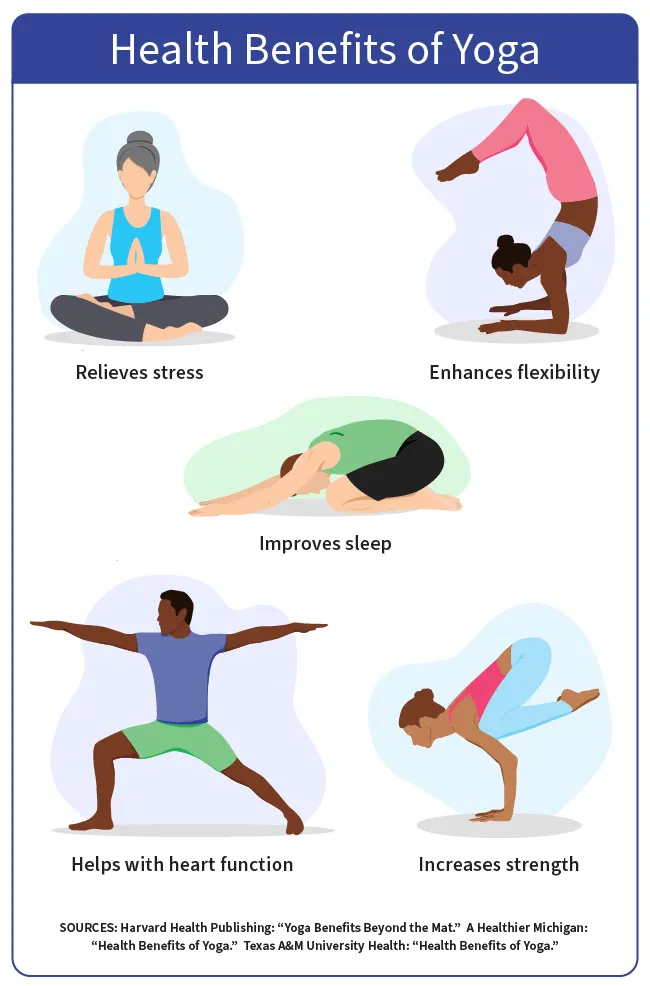
Credit: www.webmd.com
Additional Benefits Of Yoga
Yoga poses gently stretch muscles, increasing flexibility and reducing stiffness. Regular practice helps improve joint mobility. Plus, it enhances posture and balance. This makes everyday movements easier and more comfortable.
Yoga is not just about twisting your body into complex shapes; it’s a holistic practice offering numerous benefits beyond flexibility. Whether you’re a seasoned yogi or a beginner, understanding these additional benefits can enhance your practice. Dive into how yoga can transform not just your body, but your mind and life.
Stress Reduction
Yoga is a powerful tool for stress relief. Imagine stepping onto your mat after a long day and leaving all worries behind. The rhythmic breathing and gentle movements help you relax, promoting a sense of calm. Have you ever noticed how your mind feels clearer after a yoga session? This is because yoga encourages mindfulness, helping you focus on the present moment and release stress.
Improved Posture
Regular yoga practice can greatly improve your posture. As you become more aware of your body alignment during poses, you start noticing how you carry yourself off the mat. For example, you might find yourself sitting taller during meetings or standing straighter while waiting in line. Yoga strengthens the muscles that support your spine, making good posture second nature.
Enhanced Concentration
Yoga sharpens your concentration. Each pose requires focus, guiding your mind away from distractions. Have you ever lost track of time during a yoga session, only to realize you’ve been deeply immersed in the practice? This heightened focus can spill over into other areas of your life, making tasks like reading, writing, or even listening more effective and rewarding. Yoga is a journey, not a destination. As you explore these additional benefits, consider how they can improve your daily life. What changes have you noticed since starting yoga? Share your experiences and see how yoga can be a catalyst for positive change.
Frequently Asked Questions
How Does Yoga Improve Your Flexibility?
Yoga enhances flexibility by stretching muscles and joints, increasing their range of motion. Regular practice strengthens ligaments and tendons, improving overall elasticity. Various poses target different body areas, promoting balanced flexibility. Consistent yoga reduces stiffness and prevents injuries, allowing easier movement in daily activities.
What Is The Best Yoga To Improve Flexibility?
Vinyasa yoga enhances flexibility with dynamic movements and flowing sequences. Poses like downward dog and pigeon stretch muscles effectively. Regular practice improves range of motion and builds strength, aiding overall flexibility. Consider adding Vinyasa to your routine for better flexibility and fitness.
What Type Of Yoga Is Used To Develop Flexibility?
Vinyasa and Hatha yoga are excellent for developing flexibility. These styles focus on stretching and pose sequences. Practicing regularly enhances muscle elasticity and joint mobility. Yoga sessions improve posture, reduce stiffness, and increase range of motion. Flexibility boosts overall well-being and athletic performance.
How Does Yoga Improve Joint Flexibility?
Yoga enhances joint flexibility by stretching and lengthening muscles around joints. It increases range of motion and reduces stiffness. Regular practice boosts circulation, delivering nutrients to joint tissues. Controlled movements strengthen supportive muscles, stabilizing joints and preventing injuries. Yoga promotes relaxation, alleviating tension that may restrict joint mobility.
Conclusion
Yoga poses boost flexibility. They gently stretch muscles. This improves movement and balance. Practicing yoga daily helps the body become more limber. It also reduces stiffness. With regular practice, joints move better. This makes daily tasks easier. You gain more control over your body.
And feel more at ease. Yoga also calms the mind. So, it benefits both body and mind. Explore yoga poses for better flexibility. Enjoy a healthier lifestyle. Relax and stretch every day. Notice the positive changes. Feel your body respond and improve.
